Butt Weld Elbow: Material, Standards, and Buying Guide
Among all the pipe fittings used in industrial piping systems, butt weld elbows are essential for changing pipeline direction while maintaining smooth flow and structural integrity. They are widely used in oil and gas, petrochemical, power generation, and water treatment industries.
Understanding butt weld elbow specifications is crucial for procurement managers and distributors. The material selection, pressure rating, and dimensional standards directly impact system safety, performance, and total cost of ownership.
Wondering how to choose the right butt weld elbow for your projects? Read on to find out everything you need to know about butt weld elbows, including materials, standards, dimensions, and buying considerations for wholesale purchases.
What is a Butt Weld Elbow?
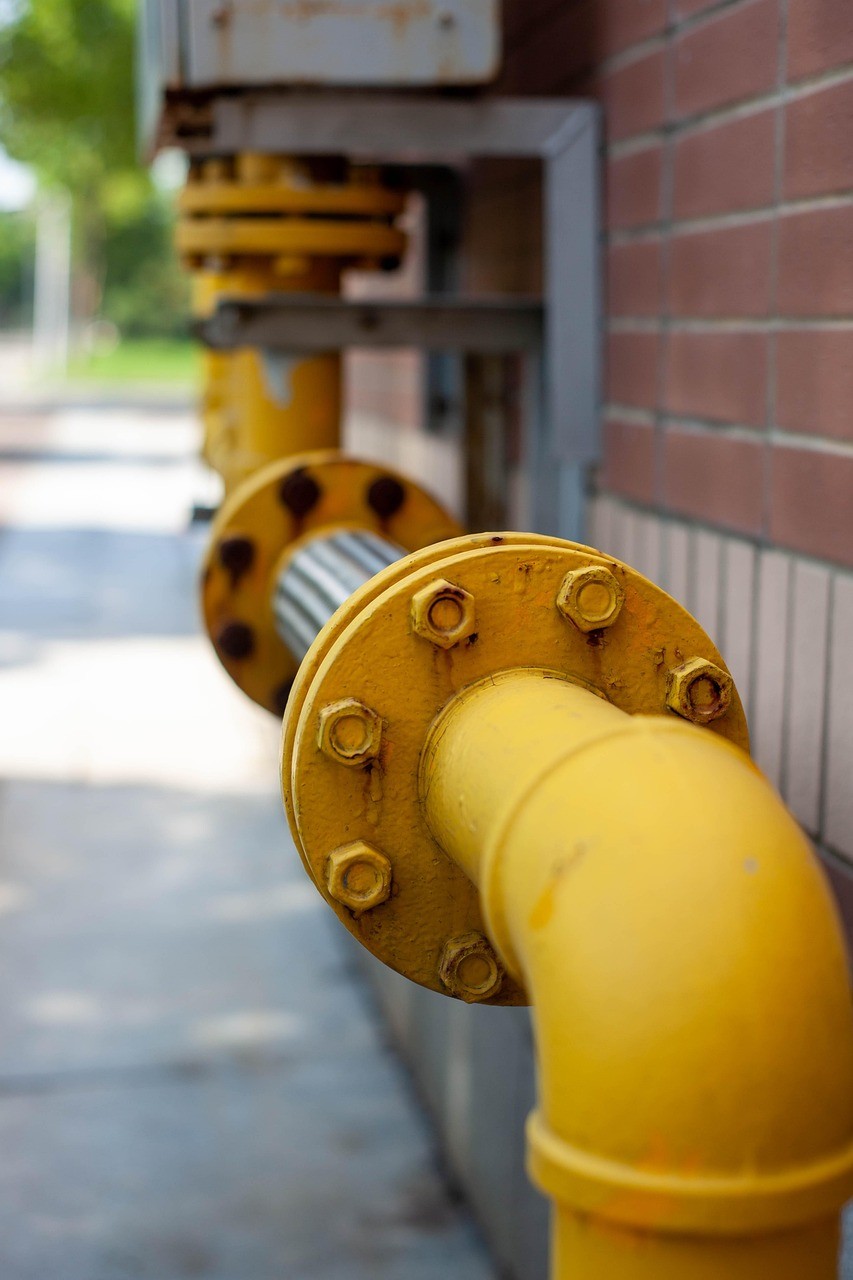
A butt weld elbow is a pipe fitting that changes the direction of a pipeline by welding the fitting directly to the pipe ends. The term “butt weld” refers to the welding method where two components are joined by welding along their butting surfaces.
Butt weld elbows are available in standard angles of 90 degrees and 45 degrees, with various radius options to accommodate different flow and space requirements. They are manufactured to meet ASME B16.9 standards for factory-made wrought butt weld fittings.
Unlike threaded or socket weld fittings, butt weld elbows provide a smooth internal bore that minimizes pressure drop and flow turbulence. This makes them ideal for high-pressure and high-temperature applications in process piping systems.
Types of Butt Weld Elbows
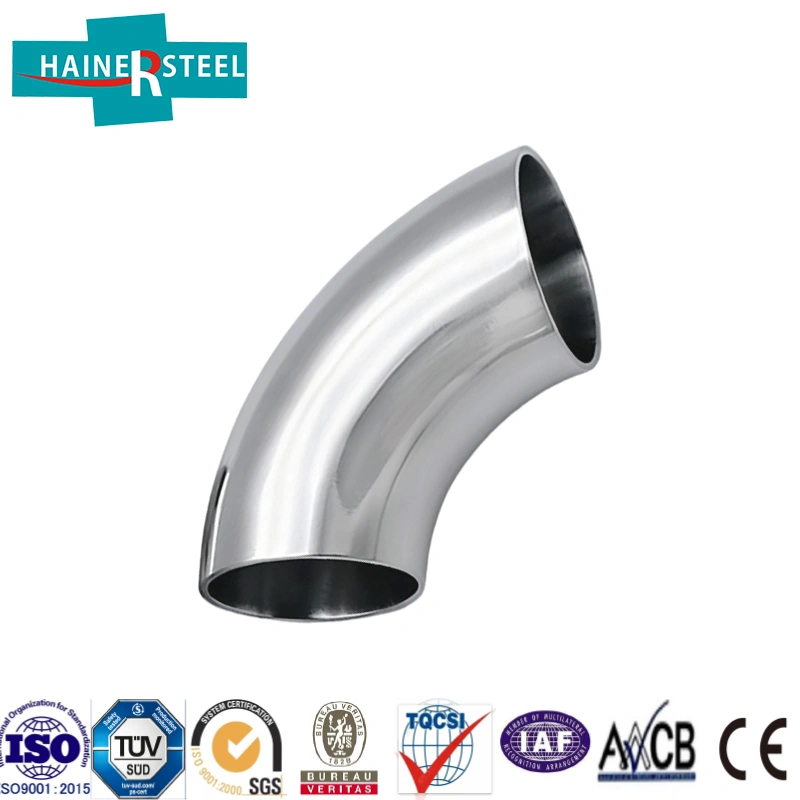
Butt weld elbows are classified by angle, radius, and manufacturing method. Understanding these classifications helps you select the right fitting for your application.
By Angle
90 Degree Elbow: Changes pipe direction by 90 degrees. Most common type used in vertical-to-horizontal or horizontal-to-vertical transitions. Requires more space but provides smoother flow direction change.
45 Degree Elbow: Changes pipe direction by 45 degrees. Used when a gradual direction change is needed. Often used in combination to create offset configurations.
By Radius
Long Radius (LR) Elbow: Center-to-end distance equals 1.5 times the nominal pipe size (1.5D). Provides smoother flow with less pressure drop and turbulence. Standard choice for most applications.
Short Radius (SR) Elbow: Center-to-end distance equals 1.0 times the nominal pipe size (1.0D). Used in space-constrained installations. Higher pressure drop compared to LR elbows.
By Manufacturing Method
Seamless Elbow: Manufactured from a single piece of material without weld seams. Superior strength and corrosion resistance. Required for critical service applications per ASME B31.3.
Welded Elbow: Fabricated from steel plate with a longitudinal weld seam. More cost-effective for larger sizes (typically 24" and above). Suitable for non-critical applications.
Material Specifications
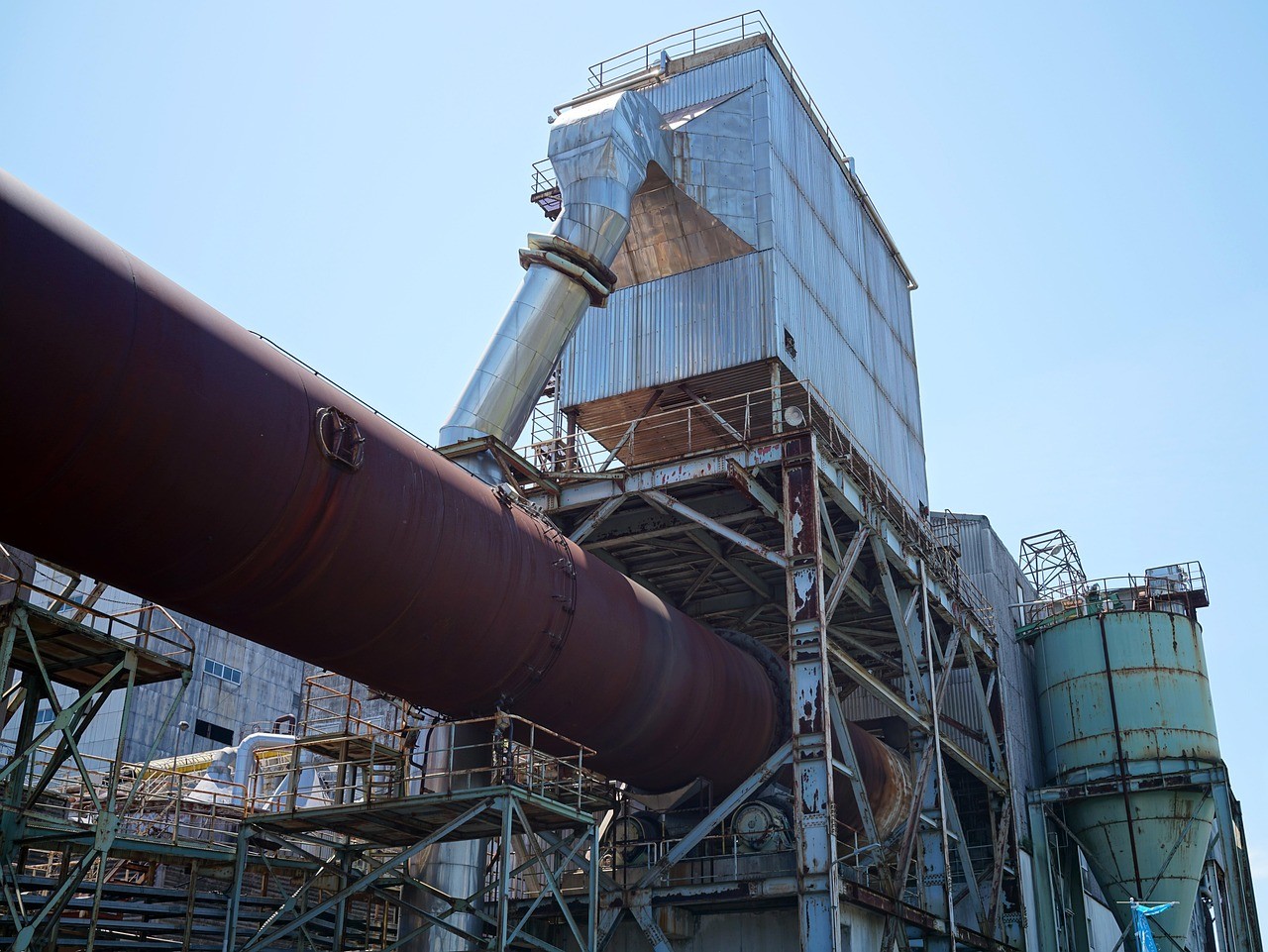
Butt weld elbows are available in various materials to match pipe specifications and service requirements. Material selection depends on operating temperature, pressure, and fluid compatibility.
Carbon Steel
ASTM A234 WPB: Most common material for carbon steel butt weld fittings. Suitable for temperatures from -20°F to 800°F (-29°C to 427°C).
Chemical Composition:
- Carbon ©: 0.30% max
- Manganese (Mn): 0.29-1.06%
- Phosphorus §: 0.050% max
- Sulfur (S): 0.058% max
- Silicon (Si): 0.10% min (when killed steel)
Mechanical Properties:
- Tensile Strength: 415 MPa (60 ksi) min
- Yield Strength: 240 MPa (35 ksi) min
- Elongation: 22% min
Applications: Oil and gas pipelines, water treatment, general process piping.
Stainless Steel
ASTM A403 WP304/304L: Austenitic stainless steel with excellent corrosion resistance. 304L has lower carbon content for improved weldability.
ASTM A403 WP316/316L: Contains 2-3% molybdenum for superior chloride resistance. Preferred for marine and chemical processing applications.
Chemical Composition (316/316L):
- Carbon ©: 0.08% max (0.035% max for 316L)
- Chromium (Cr): 16.0-18.0%
- Nickel (Ni): 10.0-14.0%
- Molybdenum (Mo): 2.0-3.0%
- Manganese (Mn): 2.0% max
Applications: Food processing, pharmaceutical, chemical plants, offshore platforms.
Alloy Steel
ASTM A234 WP1/WP11/WP22: Chromium-molybdenum alloy steels for high-temperature service. WP11 contains 1.25% Cr, 0.5% Mo; WP22 contains 2.25% Cr, 1% Mo.
Applications: Power generation, refineries, high-temperature steam lines.
Low-Temperature Carbon Steel
ASTM A420 WPL6: Designed for low-temperature service down to -50°F (-46°C). Required for cryogenic and refrigeration applications.
Applications: LNG facilities, cold storage, arctic pipelines.
Dimensions and Weight (ASME B16.9)
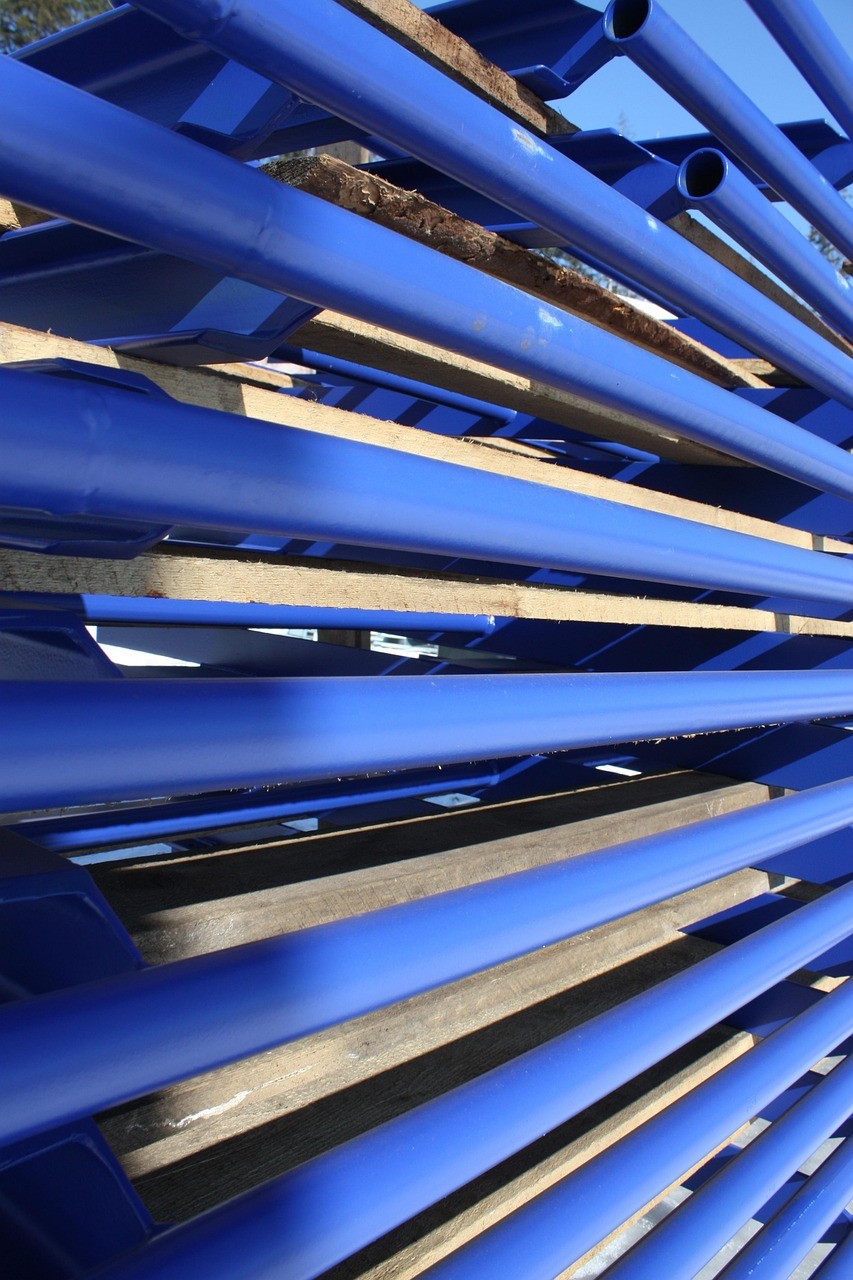
ASME B16.9 defines the dimensions and tolerances for factory-made wrought butt weld fittings. The table below shows common sizes for 90° long radius elbows.
90° Long Radius Elbow Dimensions
| NPS | Outside Diameter | Center-to-End | Inside Diameter | Weight (lbs) |
|---|---|---|---|---|
| 1/2" | 21.3 mm | 38 mm | 15.8 mm | 0.1 |
| 3/4" | 26.7 mm | 38 mm | 20.9 mm | 0.1 |
| 1" | 33.4 mm | 38 mm | 26.6 mm | 0.2 |
| 1-1/2" | 48.3 mm | 57 mm | 40.9 mm | 0.4 |
| 2" | 60.3 mm | 76 mm | 52.5 mm | 0.7 |
| 3" | 88.9 mm | 114 mm | 77.9 mm | 1.5 |
| 4" | 114.3 mm | 152 mm | 102.3 mm | 2.5 |
| 6" | 168.3 mm | 229 mm | 154.1 mm | 5.5 |
| 8" | 219.1 mm | 305 mm | 202.7 mm | 10.5 |
| 10" | 273.0 mm | 381 mm | 254.5 mm | 17.0 |
| 12" | 323.8 mm | 457 mm | 304.8 mm | 25.0 |
| 14" | 355.6 mm | 533 mm | 333.4 mm | 35.0 |
| 16" | 406.4 mm | 610 mm | 381.0 mm | 45.0 |
| 18" | 457.0 mm | 686 mm | 428.6 mm | 58.0 |
| 20" | 508.0 mm | 762 mm | 476.2 mm | 72.0 |
| 24" | 610.0 mm | 914 mm | 574.8 mm | 110.0 |
Note: Weights shown are for carbon steel A234 WPB. Stainless steel weights are approximately 5% higher. For complete dimensions including 45° elbows and short radius options, download our full dimensions chart.
Tolerance Standards
Per ASME B16.9:
- Outside Diameter: ±1% for NPS 14" and smaller, ±0.5% for NPS 16" and larger
- Inside Diameter: ±1.6 mm for NPS 4" and smaller, ±2.4 mm for NPS 6" and larger
- Center-to-End: ±2 mm for NPS 4" and smaller, ±3 mm for NPS 6" and larger
Pressure Ratings and Temperature Range
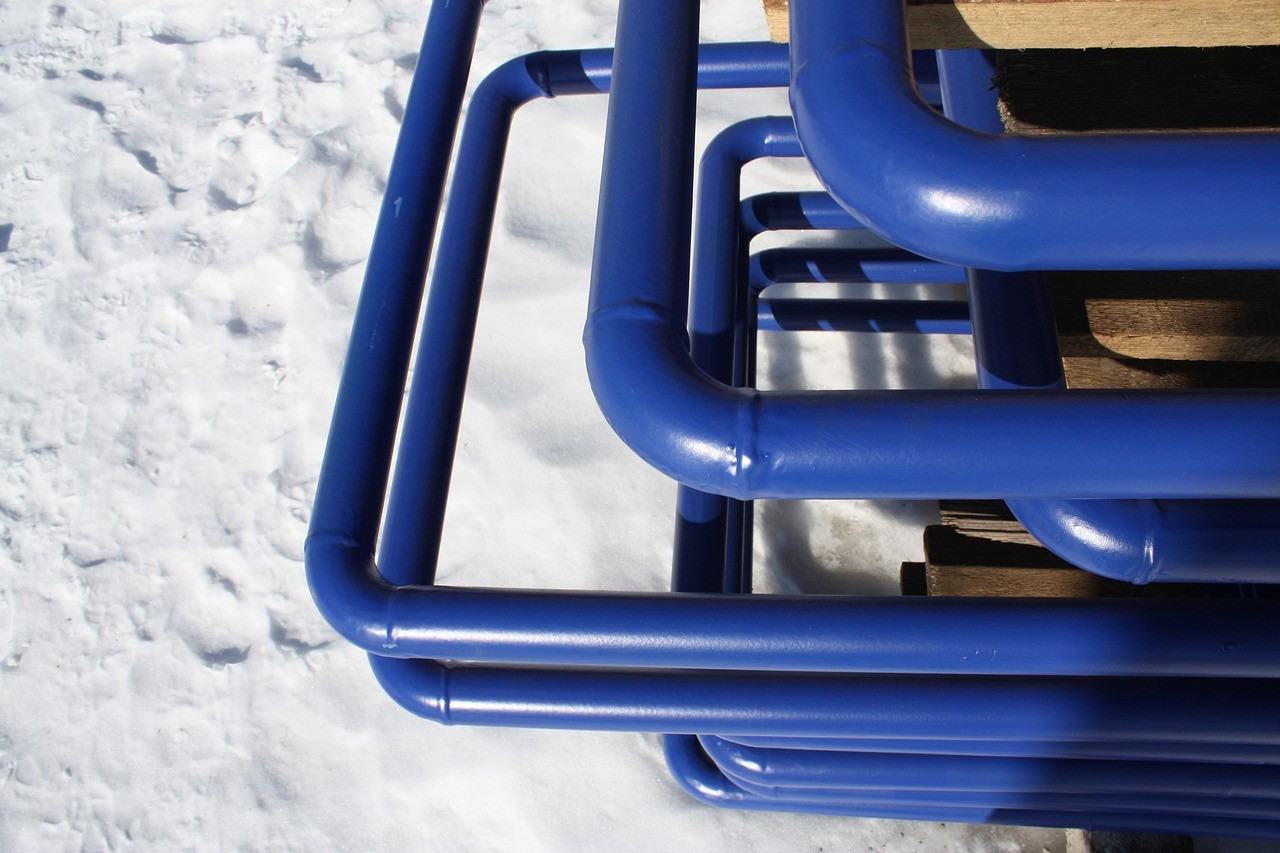
Butt weld elbow pressure ratings are determined by the matching pipe schedule and material properties. ASME B16.9 does not specify pressure ratings directly; instead, fittings are designed to match the pressure-containing capability of corresponding pipe.
Pressure Rating by Schedule
| Pipe Schedule | Wall Thickness | Max Pressure @ 100°F |
|---|---|---|
| SCH 10S | Thin wall | Lower pressure |
| SCH 40S | Standard | Medium pressure |
| SCH 80S | Extra strong | High pressure |
| SCH 160 | Double extra strong | Very high pressure |
| XXS | Double extra strong | Maximum pressure |
Temperature Limits by Material
| Material | Min Temperature | Max Temperature |
|---|---|---|
| A234 WPB (Carbon Steel) | -20°F (-29°C) | 800°F (427°C) |
| A403 WP304/304L | -425°F (-254°C) | 1550°F (843°C) |
| A403 WP316/316L | -425°F (-254°C) | 1550°F (843°C) |
| A234 WP11/WP22 | -20°F (-29°C) | 1100°F (593°C) |
| A420 WPL6 | -50°F (-46°C) | 650°F (343°C) |
Pressure-Temperature Derating
At elevated temperatures, allowable working pressure decreases. Refer to ASME B16.5 pressure-temperature ratings for flanged connections and ASME B31.3 for process piping design.
For example, A234 WPB carbon steel at:
- 100°F: 100% of rated pressure
- 400°F: 85% of rated pressure
- 600°F: 70% of rated pressure
- 800°F: 55% of rated pressure
Welding and Installation Guide
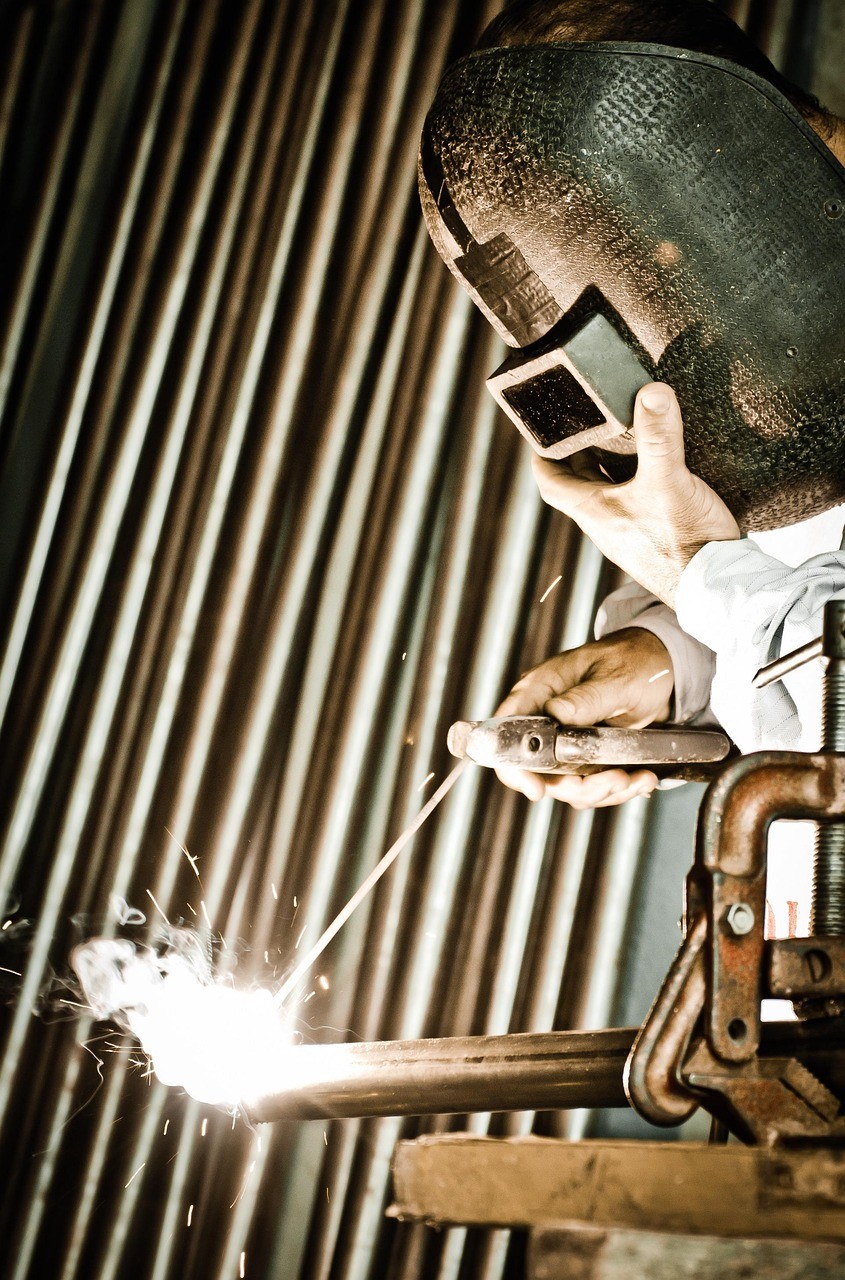
Proper welding and installation of butt weld elbows is critical for leak-free operation and system integrity. Follow these guidelines for optimal results.
Weld Preparation
Bevel Angle: Standard bevel angle is 37.5° ± 2.5° per ASME B16.25. This provides proper weld penetration and fusion.
Root Face: Maintain a root face (land) of 1.6 mm (1/16") to prevent burn-through during root pass welding.
Root Gap: Leave a root gap of 3-4 mm (1/8") between pipe and fitting for proper root penetration.
Cleaning: Remove all rust, oil, paint, and moisture from the weld area (minimum 25 mm from bevel). Contaminants can cause weld defects and porosity.
Welding Procedure
Process Selection: Common welding processes include:
- SMAW (Shielded Metal Arc Welding): Versatile, suitable for field installation
- GTAW (Gas Tungsten Arc Welding): High quality, used for root pass on stainless steel
- GMAW (Gas Metal Arc Welding): High productivity for shop fabrication
- SAW (Submerged Arc Welding): High deposition for thick sections
Filler Material Selection:
| Base Material | Filler Metal (SMAW) | Filler Metal (GTAW) |
|---|---|---|
| A234 WPB | E7018 | ER70S-6 |
| A403 WP304 | E308L-16 | ER308L |
| A403 WP316 | E316L-16 | ER316L |
| A234 WP11 | E8018-B2 | ER80S-B2 |
Preheating: Required for carbon steel over 25 mm thickness and alloy steels. Preheat temperature:
- Carbon steel (>25mm): 100-150°C
- WP11/WP22: 150-200°C
Interpass Temperature: Maintain between 150-250°C for carbon steel, 100-150°C for stainless steel.
Post-Weld Treatment
Visual Inspection: Check for surface defects including cracks, undercut, porosity, and incomplete fusion.
Heat Treatment: Stress relief may be required for thick sections or alloy materials per ASME B31.3 requirements.
Pickling & Passivation (Stainless Steel): Remove heat tint and restore corrosion resistance using acid pickling paste or gel followed by passivation treatment.
Quality Inspection and Certifications
Quality inspection and proper certification are essential for critical service applications. Understanding inspection requirements helps ensure you receive compliant products.
Standard Inspection Requirements
Visual Examination: 100% visual inspection per ASME B16.9 for surface defects, dimensions, and marking.
Material Test Report (MTR): EN 10204 3.1 certificate showing chemical composition and mechanical properties. Required for all pressure-containing components.
Dimensional Inspection: Verification of outside diameter, wall thickness, center-to-end distance, and bevel angle.
Non-Destructive Testing (NDT)
Additional NDT may be required based on service conditions:
Radiographic Testing (RT): X-ray or gamma ray examination to detect internal weld defects. Required for seamless fittings per ASTM standards.
Ultrasonic Testing (UT): Detects internal flaws and measures wall thickness. Used for large diameter and thick-wall fittings.
Liquid Penetrant Testing (PT): Surface examination for cracks and discontinuities. Common for stainless steel fittings.
Magnetic Particle Testing (MT): Surface and near-surface defect detection for ferromagnetic materials.
Third-Party Inspection
For critical applications, consider third-party inspection by:
- SGS: Global inspection company
- BV (Bureau Veritas): French classification society
- TUV: German certification body
- Lloyd’s Register: UK classification society
Industry Certifications
| Certification | Description | Applications |
|---|---|---|
| ASME | American Society of Mechanical Engineers | Pressure vessels, boilers, nuclear |
| API 6D | American Petroleum Institute | Pipeline valves and fittings |
| PED | Pressure Equipment Directive (2014/68/EU) | European market requirement |
| ISO 9001 | Quality management system | General quality assurance |
| NACE MR0175 | Sulfide stress cracking resistance | Sour service (H2S environments) |
| CRN | Canadian Registration Number | Canadian pressure equipment |
Marking Requirements
Per ASME B16.9, each fitting must be marked with:
- Manufacturer’s name or trademark
- Material grade (e.g., WPB, WP304, WP316)
- Size (NPS)
- Schedule or wall thickness designation
- Heat number (for traceability)
Price Factors and Buying Considerations
Understanding the factors that affect butt weld elbow pricing helps procurement managers make informed decisions and negotiate better terms.
Material Cost Impact
Material is the largest cost driver, typically 50-70% of total price:
| Material | Price Multiplier (vs. Carbon Steel) |
|---|---|
| A234 WPB (Carbon Steel) | 1.0x (baseline) |
| A420 WPL6 (Low-Temp CS) | 1.3-1.5x |
| A403 WP304/304L | 2.5-3.0x |
| A403 WP316/316L | 3.0-3.5x |
| A234 WP11/WP22 (Alloy) | 2.0-2.5x |
| Duplex 2205 | 4.0-5.0x |
| Inconel 625 | 15-20x |
Raw material prices fluctuate based on global commodity markets. Nickel prices (key for stainless steel) can vary from $15,000 to $30,000 per ton, directly impacting fitting costs.
Size and Wall Thickness
Larger sizes and thicker walls require more material and complex manufacturing:
- NPS 1/2" to 2": Low cost, high volume production
- NPS 3" to 8": Moderate cost, standard inventory items
- NPS 10" to 24": Higher cost, often made-to-order
- NPS 26" and above: Premium pricing, custom fabrication
Wall thickness also affects price. SCH 80 elbows cost 30-50% more than SCH 40 of the same size due to increased material weight.
Manufacturing Method
Seamless vs. Welded:
- Seamless elbows (NPS 1/2" to 24"): Higher cost, superior quality
- Welded elbows (NPS 24" and above): More economical for large sizes
Seamless fittings typically cost 20-40% more than welded alternatives but are required for critical service applications.
Quantity and Lead Time
Volume Discounts:
- 1-10 pieces: List price
- 11-50 pieces: 5-10% discount
- 51-200 pieces: 10-20% discount
- 200+ pieces: 20-30% discount
Lead Time Impact:
- Standard items in stock: No premium
- Made-to-order (4-6 weeks): Standard pricing
- Rush orders (2-3 weeks): 15-25% premium
- Expedited (1 week): 30-50% premium
Additional Cost Factors
| Factor | Cost Impact | Notes |
|---|---|---|
| NDT Testing | +10-20% | RT, UT, PT, MT per piece |
| Third-Party Inspection | +5-10% | SGS, BV, TUV inspection fees |
| Special Packaging | +2-5% | Wooden crates, export packaging |
| Coating/Plating | +5-15% | Galvanizing, epoxy coating |
| Heat Treatment | +10-20% | Stress relief, annealing |
| Documentation | +2-5% | Extended MTR, certification |
Price Range Reference (Carbon Steel A234 WPB, SCH 40)
| Size (NPS) | Price Range (USD) | Typical Lead Time |
|---|---|---|
| 1/2" - 2" | $2 - $8 | In stock |
| 3" - 6" | $10 - $35 | In stock |
| 8" - 12" | $45 - $120 | 2-3 weeks |
| 14" - 18" | $150 - $350 | 4-6 weeks |
| 20" - 24" | $400 - $800 | 6-8 weeks |
Note: Prices shown are for reference only and vary by manufacturer, region, and market conditions. Request a quote for current pricing on your specific requirements.
Industry Applications
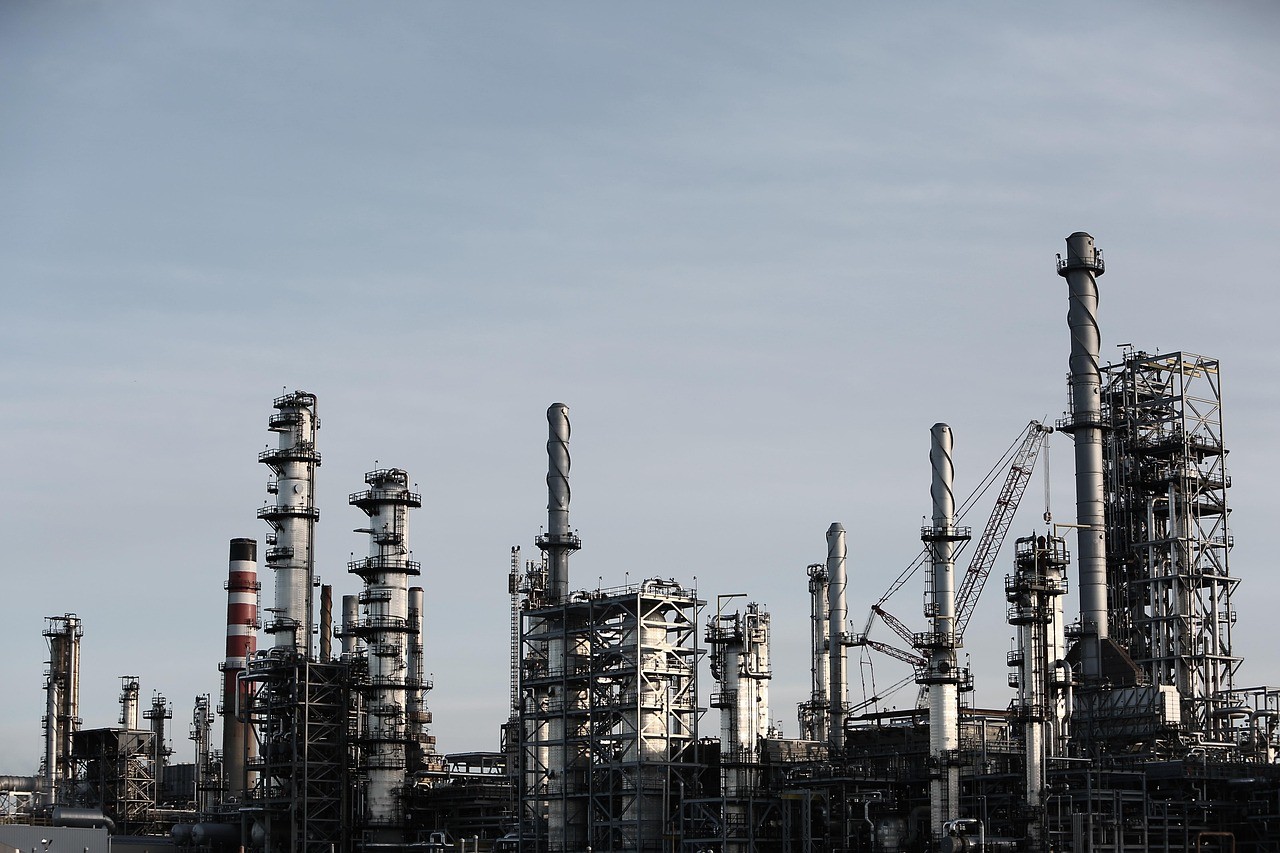
Butt weld elbows are used across diverse industries. Understanding application-specific requirements helps ensure proper material and specification selection.
Oil & Gas
Upstream: Wellhead piping, gathering lines, separation equipment. Requirements: NACE MR0175 compliance for sour service, low-temperature toughness for arctic operations.
Midstream: Transmission pipelines, pump stations, compressor stations. Requirements: API 6D compliance, high-pressure ratings (Class 600-900), X-ray inspection.
Downstream: Refineries, petrochemical plants. Requirements: High-temperature alloys for furnace tubes, corrosion-resistant materials for process units.
Typical Specifications: A234 WPB, WP11, WP22; Sizes NPS 2" to 48"; Pressure Class 150-900.
Power Generation
Fossil Fuel Plants: Main steam lines, hot reheat lines, boiler feedwater. Requirements: High-temperature creep resistance, strict welding procedures.
Nuclear Plants: Primary and secondary coolant systems. Requirements: ASME Section III certification, extensive documentation, nuclear-grade quality assurance.
Typical Specifications: A234 WP11, WP22, WP91; A403 WP304H, WP316H; Sizes NPS 4" to 36".
Chemical Processing
Process Piping: Reactor feed lines, product transfer, utility systems. Requirements: Corrosion resistance to specific chemicals, high-purity finishes for pharmaceutical applications.
Typical Specifications: A403 WP316/316L, Duplex 2205, Hastelloy C276; Electropolished finishes for sanitary applications.
Water Treatment
Municipal Water: Raw water intake, treatment processes, distribution systems. Requirements: Potable water certification (NSF 61), corrosion protection.
Wastewater: Collection systems, treatment plants, discharge lines. Requirements: Corrosion resistance to hydrogen sulfide and sulfuric acid.
Typical Specifications: A234 WPB with epoxy coating, A403 WP304/316 for corrosive environments; Sizes NPS 4" to 72".
Marine & Offshore
Shipbuilding: Engine room piping, ballast systems, cargo handling. Requirements: Compact designs, vibration resistance, marine-grade coatings.
Offshore Platforms: Production risers, manifold systems, utility piping. Requirements: Superior corrosion resistance, fire-safe design, weight optimization.
Typical Specifications: A403 WP316L, Duplex 2205, Super Duplex 2507; Sizes NPS 2" to 24".
Food & Beverage
Process Lines: Product transfer, CIP (clean-in-place) systems, utility connections. Requirements: Sanitary finishes (Ra ≤ 0.8 μm), crevice-free design, easy cleaning.
Typical Specifications: A403 WP304/316 with electropolish; Orbital welding for sanitary joints.
Frequently Asked Questions
What is the difference between 90 degree and 45 degree elbow?
A 90 degree elbow changes pipe direction by 90 degrees (right angle), while a 45 degree elbow changes direction by 45 degrees. The 90 degree elbow requires more space but provides complete direction change. The 45 degree elbow offers smoother flow transition and is often used in pairs to create offsets.
What is the difference between long radius and short radius elbow?
Long radius (LR) elbow has a center-to-end distance of 1.5 times the nominal pipe size (1.5D), providing smoother flow with less pressure drop. Short radius (SR) elbow has a center-to-end distance of 1.0D (1.0 times pipe size), used in space-constrained installations but with higher pressure drop and turbulence.
When should I use seamless vs welded elbow?
Seamless elbows are required for critical service applications per ASME B31.3, including high-pressure, high-temperature, and corrosive environments. They offer superior strength and corrosion resistance. Welded elbows are more cost-effective for large sizes (NPS 24" and above) and non-critical applications such as low-pressure water systems.
What does WPB mean in pipe fittings?
WPB stands for “Weldable Pipe B” and is the most common grade for carbon steel butt weld fittings per ASTM A234 specification. The “W” indicates weldable, “P” indicates pipe, and “B” indicates the strength grade. WPB fittings are suitable for temperatures from -20°F to 800°F (-29°C to 427°C).
How do I measure a butt weld elbow?
To measure a butt weld elbow:
- Measure the outside diameter at the bevel end
- Measure the wall thickness
- Measure the center-to-end distance (from center point to end face)
- Determine the angle (90° or 45°)
Compare measurements to ASME B16.9 dimensions to identify the size and schedule.
What is the lead time for butt weld elbows?
Standard carbon steel elbows (NPS 1/2" to 12") are typically in stock with 1-2 week delivery. Larger sizes and specialty materials (stainless steel, alloy) require 4-8 weeks for made-to-order production. Rush orders may be available with 15-50% premium depending on size and material.
Do you provide material test reports (MTR)?
Yes, all butt weld elbows come with EN 10204 3.1 Material Test Reports showing chemical composition and mechanical properties. Third-party inspection (SGS, BV, TUV) and additional NDT testing (RT, UT, PT, MT) are available upon request for critical applications.
What is the minimum order quantity (MOQ)?
For standard items, MOQ is typically 10 pieces per size. For specialty materials or large diameter fittings (NPS 24"+), MOQ may be higher. Small quantity orders are accepted with applicable surcharges. Contact our sales team for specific MOQ requirements on your project.
Advantages and Disadvantages
Understanding the pros and cons of butt weld elbows helps you determine if they are the right choice for your application.
Advantages
Leak-Free Connection: The welded joint creates a permanent, leak-tight seal that is superior to threaded or flanged connections. This makes butt weld elbows ideal for hazardous fluids, high-pressure systems, and applications where leakage is unacceptable.
Smooth Flow Path: The internal bore matches the pipe ID, minimizing pressure drop and flow turbulence. This is critical for process efficiency and reduces pump energy consumption over the system lifecycle.
High Strength: The welded connection provides structural integrity equal to or greater than the pipe itself. Butt weld fittings can withstand high pressures, temperatures, and mechanical loads including vibration and thermal expansion.
Low Maintenance: Once properly welded, butt weld elbows require no maintenance throughout their service life. There are no gaskets to replace, bolts to tighten, or threads to inspect.
Space Efficient: Compared to flanged connections, butt weld elbows require less space as there are no bolt circles or flange faces. This is advantageous in congested pipe racks and equipment areas.
Cost Effective for Permanent Systems: While installation costs are higher due to welding requirements, the total installed cost is often lower than flanged systems for permanent piping that doesn’t require frequent disassembly.
Disadvantages
Permanent Connection: The welded joint cannot be easily disassembled. This makes maintenance, inspection, and system modifications more difficult and costly. Consider flanged connections where future access is needed.
Skilled Labor Required: Proper welding requires certified welders and qualified welding procedures. This increases installation costs and may limit availability in remote locations.
Inspection Challenges: Weld quality must be verified through NDT methods (RT, UT, PT, MT), adding to inspection costs and project timeline. Poor welds can lead to costly repairs and system downtime.
Not Suitable for All Materials: Some materials require special welding procedures and heat treatment. High-alloy materials like duplex stainless steel and nickel alloys require highly skilled welders and strict procedure control.
Field Welding Limitations: Field welding may be restricted by weather conditions, space constraints, and safety requirements. Prefabricated spools with butt weld elbows may be necessary for complex installations.
Recommended Applications
Butt weld elbows are the preferred choice for the following applications:
Highly Recommended
High-Pressure Systems (Class 600 and above): The welded connection provides superior strength and leak integrity compared to threaded or socket weld fittings. Essential for steam lines, hydraulic systems, and high-pressure process piping.
High-Temperature Service (Above 400°F/200°C): Butt weld elbows maintain integrity at elevated temperatures where gasketed joints may fail. Required for boiler feedwater, main steam lines, and furnace piping.
Hazardous Fluids: Toxic, flammable, or corrosive media require leak-free connections. Butt weld elbows are standard for acid lines, chlorine systems, and hydrocarbon processing.
Critical Service Applications: Nuclear, pharmaceutical, and food processing industries require the highest quality connections with full traceability and inspection documentation.
Large Diameter Piping (NPS 6" and above): Butt weld connections are more economical and reliable than flanged connections for large pipes. Standard for transmission pipelines and main process headers.
Alternative Options Consider
Low-Pressure Utility Systems (Below 150 psi): Threaded or grooved fittings may be more cost-effective for instrument air, cooling water, and other non-critical utilities.
Frequently Disassembled Systems: Where regular maintenance or modification is required, flanged connections provide easier access despite higher initial cost.
Small Diameter Instrument Lines (NPS 2" and below): Compression fittings or tube fittings may be more practical for instrument connections and sampling points.
Temporary or Modular Systems: For skid-mounted equipment or temporary piping, flanged or mechanical connections offer flexibility for relocation and reconfiguration.
Conclusion: Choosing the Right Butt Weld Elbow
The material selection, pressure rating, and manufacturing method are where butt weld elbow specification proves most critical. For most carbon steel applications in oil and gas, water treatment, and general process piping, ASTM A234 WPB provides reliable performance at the lowest cost.
However, the superior corrosion resistance of stainless steel (304/316) makes them essential for chemical processing, marine environments, and food-grade applications. The higher initial investment is justified by reduced maintenance and extended service life.
For high-temperature service in power plants and refineries, alloy steel materials (WP11, WP22) offer the necessary creep resistance and strength retention at elevated temperatures.
From a procurement perspective, understanding the factors that affect pricing—material, size, quantity, and inspection requirements—helps you negotiate better terms and optimize total project cost.
Get a Free Quote for Your Pipe Fitting Requirements
Looking for certified butt weld elbow suppliers? Our team supplies ASME B16.9 fittings from NPS 1/2" to 48" in carbon steel, stainless steel, alloy steel, and exotic materials.
All products come with complete material traceability (EN 10204 3.1 MTR), dimensional inspection reports, and optional third-party certification.
Request a Free Quote today and connect with our sales team for technical support and competitive pricing on your next project.
Related Resources:
Material Selection for Pipe Fittings: Complete Guide for Industrial Applications
Welding Procedure Specifications (WPS): Complete Guide for Industrial Contractors
Related Article

CONTACT US
Subscribe to our newsletter to receive the latest information