
ASME B16.9 Standard Guide: Factory-Made Wrought Buttwelding Fittings
Introduction

Among all the pipe fittings used in industrial piping systems, ASME B16.9 buttwelding fittings are known for their reliability and standardization. These factory-made wrought fittings are essential components in oil & gas, petrochemical, power generation, and water treatment industries.
When selecting buttwelding fittings for your pipeline projects, understanding the ASME B16.9 standard is crucial for ensuring compliance and system integrity. The standard covers overall dimensions, tolerances, ratings, testing, and markings for fittings in sizes ranging from NPS 1/2 to NPS 48.
Wondering which fittings types are covered under ASME B16.9 and how to select the right materials for your application? Read through the rest to find out everything you need to know about ASME B16.9 buttwelding fittings, their specifications, and how to choose the best options for your industrial projects.
What Is ASME B16.9 Standard?
ASME B16.9 is the industry standard that covers factory-made wrought buttwelding fittings for industrial piping applications. The term “wrought” indicates that these fittings are manufactured from wrought materials such as pipe, tubing, plate, or forgings—not castings.
The standard specifies:
- Overall dimensions for various fitting types
- Dimensional tolerances for manufacturing consistency
- Material requirements for carbon steel, alloy steel, and stainless steel
- Testing and marking requirements for quality assurance
- Size ranges from NPS 1/2 through NPS 48 (DN 15 through DN 1200)
ASME B16.9 fittings are designed to connect with pipes of matching nominal pipe size (NPS) and wall thickness. The buttwelding connection method creates permanent, leak-proof joints that can withstand high pressure, high temperature, and corrosive environments.
Covered Fitting Types
ASME B16.9 standard covers the following types of buttwelding fittings:
Elbows
Elbows change the direction of flow in a piping system. ASME B16.9 specifies:
| Type | Description | Size Range |
|---|---|---|
| 90° Long Radius (LR) | Standard elbow with center-to-end distance = 1.5 × NPS | NPS 1/2 – 48 |
| 45° Long Radius (LR) | 45-degree elbow for gradual direction changes | NPS 1/2 – 48 |
| 90° Short Radius (SR) | Compact elbow with center-to-end distance = 1.0 × NPS | NPS 1/2 – 24 |
| Long Radius Reducing | Elbow with different end sizes | NPS 1/2 – 24 |
Tees and Crosses
| Type | Description | Size Range |
|---|---|---|
| Straight Tees | All three ends have the same diameter | NPS 1/2 – 48 |
| Reducing Tees | Branch or run ends have different diameters | NPS 1/2 – 48 |
| Crosses | Four-way fittings for complex piping layouts | NPS 1/2 – 48 |
Reducers
Reducers connect pipes of different diameters:
| Type | Description | Size Range |
|---|---|---|
| Concentric Reducers | Symmetrical reduction, maintains centerline | NPS 1/2 – 24 |
| Eccentric Reducers | Offset reduction, maintains one flat side | NPS 1/2 – 24 |
Pipe Caps
| Type | Description | Size Range |
|---|---|---|
| Buttweld Caps | Close the end of pipes permanently | NPS 1/2 – 48 |
Stub Ends
| Type | Description | Size Range |
|---|---|---|
| Lap Joint Stub Ends | Used with lap joint flanges for easy disassembly | NPS 1/2 – 24 |
Material Specifications
ASME B16.9 fittings are available in various materials to meet different application requirements. The standard references ASTM specifications for material grades:
Carbon Steel
| ASTM Grade | Application | Temperature Range |
|---|---|---|
| ASTM A234 WPB | Standard carbon steel fittings | -20°F to 750°F (-29°C to 399°C) |
| ASTM A234 WPC | Higher strength carbon steel | Similar to WPB |
| ASTM A420 WPL6 | Low-temperature carbon steel | Down to -50°F (-46°C) |
Stainless Steel
| ASTM Grade | Composition | Application |
|---|---|---|
| ASTM A403 WP304/304L | 18% Cr, 8% Ni | General corrosion resistance |
| ASTM A403 WP316/316L | 16% Cr, 10% Ni, 2% Mo | Enhanced corrosion resistance |
| ASTM A403 WP321 | Ti-stabilized | High-temperature service |
| ASTM A403 WP347 | Nb-stabilized | High-temperature service |
Alloy Steel
| ASTM Grade | Composition | Application |
|---|---|---|
| ASTM A234 WP1 | 0.5% Mo | Elevated temperature service |
| ASTM A234 WP11 | 1.25% Cr, 0.5% Mo | High-temperature, high-pressure |
| ASTM A234 WP22 | 2.25% Cr, 1% Mo | High-temperature service |
| ASTM A234 WP91 | 9% Cr, 1% Mo | Power generation applications |
Pressure and Temperature Ratings
ASME B16.9 does not directly specify pressure ratings for buttwelding fittings. Instead, the pressure rating is determined by:
- Matching pipe strength – Fittings are designed to have strength equal to or greater than the matching pipe
- System pressure rating – Determined by the pipe’s pressure rating at operating temperature
- Material properties – Different materials have different pressure-temperature capabilities
For pressure-temperature ratings, refer to:
- ASME B31.1 – Power Piping
- ASME B31.3 – Process Piping
- ASME B31.4 – Pipeline Transportation Systems
Maximum Operating Conditions by Material
| Material Class | Max Temperature | Typical Pressure Range |
|---|---|---|
| Carbon Steel (A234 WPB) | 750°F (399°C) | Up to 2,500 psi |
| Stainless Steel (304/316) | 800°F (427°C) | Up to 2,000 psi |
| Alloy Steel (WP11/WP22) | 1,000°F (538°C) | Up to 3,000 psi |
| Low-Temp Steel (A420 WPL6) | 650°F (343°C) | Up to 2,000 psi |
Dimensional Tolerances

ASME B16.9 specifies manufacturing tolerances to ensure fitting quality and interchangeability:
Outside Diameter Tolerance
| Fitting Size | Tolerance |
|---|---|
| NPS 1/2 – 2 | ±1.6 mm (±1/16 in) |
| NPS 2½ – 6 | ±3.2 mm (±1/8 in) |
| NPS 8 – 18 | ±4.8 mm (±3/16 in) |
| NPS 20 – 48 | ±6.4 mm (±1/4 in) |
Inside Diameter Tolerance (at End)
| Fitting Size | Tolerance |
|---|---|
| NPS 1/2 – 6 | +2.4 mm, -1.6 mm (+3/32 in, -1/16 in) |
| NPS 8 – 18 | +4.0 mm, -1.6 mm (+5/32 in, -1/16 in) |
| NPS 20 – 48 | +6.4 mm, -1.6 mm (+1/4 in, -1/16 in) |
Center-to-End and Center-to-Center Dimensions
| Fitting Type | Tolerance |
|---|---|
| Elbows (90° LR, 45° LR) | ±2 mm (±1/16 in) |
| Tees, Crosses, Reducers | ±3 mm (±1/8 in) |
| Caps | ±5 mm (±3/16 in) |
Wall Thickness Tolerance
| Specification | Tolerance |
|---|---|
| Minimum Wall Thickness | 87.5% of nominal thickness |
| Maximum Wall Thickness | +12.5% of nominal thickness |
Marking Requirements
ASME B16.9 requires permanent marking on all fittings for traceability and identification. Each fitting must include:
| Marking | Description | Example |
|---|---|---|
| Manufacturer’s Name/Trademark | Identifies the producer | “ABC Fittings” or logo |
| Material Grade | ASTM material designation | “WPB”, “WP304”, “WP11” |
| Schedule Number/Nominal Wall | Wall thickness designation | “SCH 40”, “STD”, “XS” |
| Nominal Pipe Size (NPS) | Fitting size | “NPS 6”, “NPS 12” |
| Heat Number | Material traceability | “H12345” |
| Specification Number | Standard reference | “B16.9” |
Marking must be legible and permanent, typically applied through stamping, etching, or die marking. For small fittings (NPS 2 and below), marking may be consolidated or applied to packaging.
Quality Control and Testing
ASME B16.9 fittings must undergo quality control measures to ensure compliance:
Required Testing
| Test Type | Purpose | Frequency |
|---|---|---|
| Visual Inspection | Surface defects, marking verification | 100% of fittings |
| Dimensional Inspection | Size, tolerance verification | 100% of fittings |
| Material Test Report (MTR) | Chemical composition, mechanical properties | Per heat lot |
| Hydrostatic Testing | Pressure integrity (when specified) | As required |
| Non-Destructive Testing | Internal defects (when specified) | As required |
Optional Testing (By Agreement)
- Radiographic Testing (RT) – Internal weld quality
- Ultrasonic Testing (UT) – Wall thickness, internal defects
- Magnetic Particle Testing (MT) – Surface defects in ferrous materials
- Liquid Penetrant Testing (PT) – Surface defects in all materials
- Positive Material Identification (PMI) – Material grade verification
ASME B16.9 vs Other Standards
Understanding how ASME B16.9 compares to other fitting standards helps you make informed procurement decisions:
ASME B16.9 vs ASME B16.11
| Feature | ASME B16.9 | ASME B16.11 |
|---|---|---|
| Connection Type | Buttweld | Socket Weld & Threaded |
| Size Range | NPS 1/2 – 48 | NPS 1/2 – 4 |
| Application | High-pressure, permanent joints | Lower pressure, smaller sizes |
| Fitting Types | Elbows, tees, reducers, caps | Elbows, tees, couplings, unions |
| Installation | Requires welding | Threaded or socket weld |
ASME B16.9 vs MSS SP-75
| Feature | ASME B16.9 | MSS SP-75 |
|---|---|---|
| Scope | Standard fittings | High-test fittings |
| Size Range | NPS 1/2 – 48 | NPS 4 – 48 |
| Application | General industrial | Pipeline, high-stress applications |
| Testing Requirements | Standard | More stringent |
ASME B16.9 vs DIN 2605/2615
| Feature | ASME B16.9 (US) | DIN 2605/2615 (European) |
|---|---|---|
| Standard System | Imperial/NPS | Metric/DN |
| Dimensions | ASME-based | DIN-based |
| Pressure Ratings | Schedule-based | PN-based |
| Regional Preference | North America, Asia | Europe, Middle East |
Pros and Cons of ASME B16.9 Fittings
Advantages
Standardization and Interchangeability
ASME B16.9 ensures dimensional consistency across manufacturers. You can source fittings from different suppliers with confidence that they will match your piping system.
Wide Size Range
From NPS 1/2 to NPS 48, the standard covers virtually all industrial piping applications. This eliminates the need for custom fittings in most projects.
Material Flexibility
Carbon steel, stainless steel, and alloy steel options allow you to select fittings based on your specific corrosion resistance, temperature, and pressure requirements.
Permanent, Leak-Proof Joints
Buttwelding creates metallurgical bonds that are as strong as the pipe itself. This makes ASME B16.9 fittings ideal for high-pressure and hazardous fluid applications.
Cost-Effective for Large Projects
Factory-made fittings are more economical than field-fabricated alternatives. Standardization reduces lead times and inventory costs.
Limitations
Requires Skilled Welding
Buttwelding demands qualified welders and proper welding procedures. This increases installation labor costs compared to threaded or flanged connections.
Not Suitable for Frequent Disassembly
Welded joints are permanent. If your system requires regular maintenance or reconfiguration, consider flanged or threaded alternatives.
Limited to Wrought Materials
The standard excludes cast fittings. For complex geometries or special alloys, you may need to explore casting options outside ASME B16.9.
Inspection Challenges
Once welded, internal weld quality is difficult to inspect without non-destructive testing. This adds to quality control costs for critical applications.
Common Applications
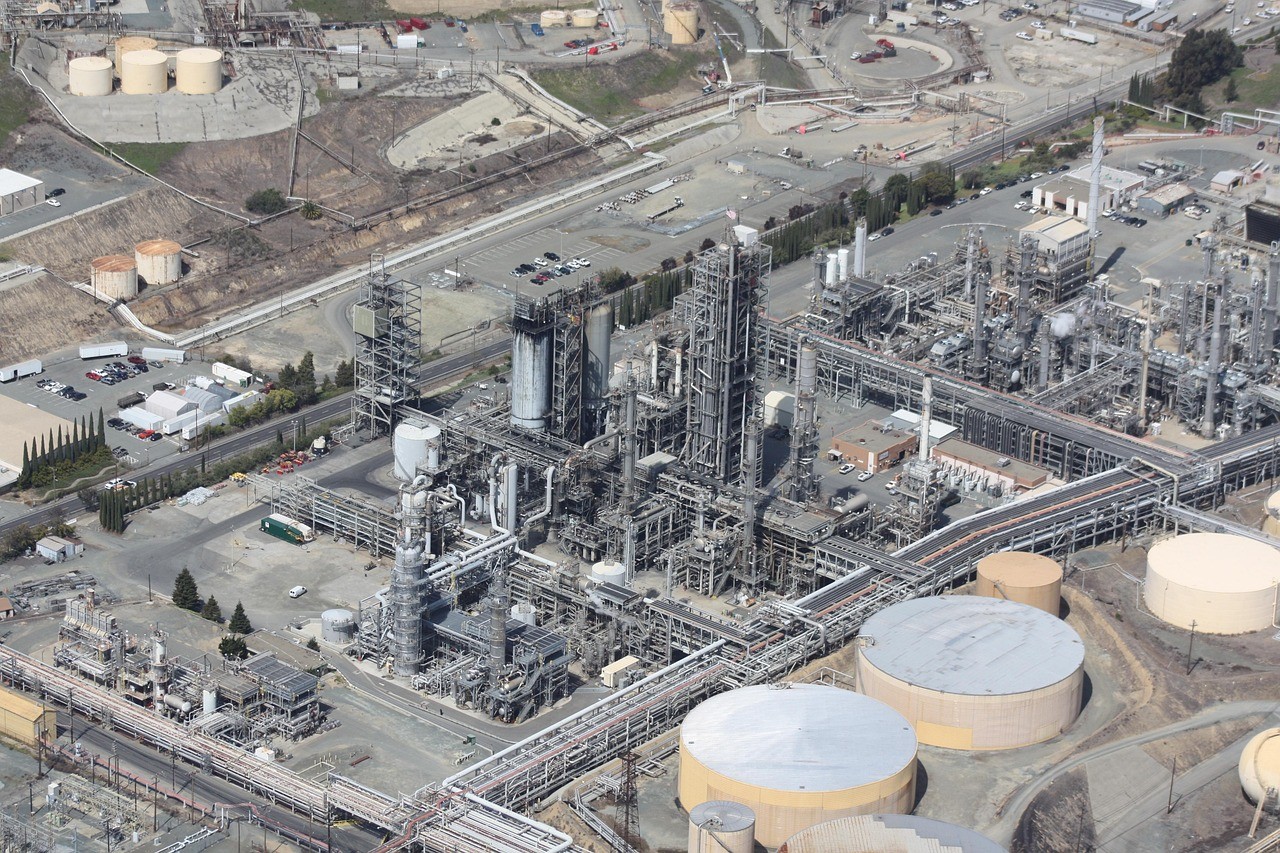
ASME B16.9 buttwelding fittings are used across multiple industries:
Oil & Gas Industry
- Upstream – Wellhead piping, flow lines, gathering systems
- Midstream – Transmission pipelines, compressor stations, pump stations
- Downstream – Refinery process piping, storage terminals
Petrochemical & Chemical Processing
- Process piping – Reactor feed lines, product transfer lines
- Utility systems – Steam, condensate, cooling water
- Corrosive service – Acid lines, caustic systems (stainless steel fittings)
Power Generation
- Boiler feed systems – High-pressure steam lines
- Turbine piping – Main steam, reheat, extraction lines
- Auxiliary systems – Feedwater, condensate, cooling water
Water & Wastewater Treatment
- Water transmission – Raw water intake, treated water distribution
- Process systems – Chemical dosing, sludge handling
- Desalination plants – High-pressure seawater lines
Industrial Manufacturing
- HVAC systems – Chilled water, heating water piping
- Compressed air – Plant air distribution systems
- Fire protection – Sprinkler systems, firewater lines
Installation Guidelines
Proper installation ensures ASME B16.9 fittings perform as designed:
Pre-Welding Preparation
- Verify Material Compatibility – Ensure fitting material matches pipe material
- Check Dimensions – Confirm NPS, schedule, and fitting type before installation
- Clean End Surfaces – Remove rust, scale, oil, and moisture from pipe and fitting ends
- Bevel Verification – Standard bevel is 37.5° ± 2.5° with 1.6 mm (1/16 in) root face
Welding Procedures
| Step | Requirement |
|---|---|
| Fit-Up | Align pipe and fitting with proper root gap (3.2 mm typical) |
| Tack Welds | Use 2-4 tack welds to hold alignment |
| Root Pass | Ensure complete penetration without burn-through |
| Fill Passes | Build up weld in multiple passes for thick walls |
| Cap Pass | Create smooth, uniform weld cap with proper reinforcement |
Post-Welding Inspection
- Visual Inspection – Check for surface defects, undercut, porosity
- Dimensional Check – Verify alignment and fit-up accuracy
- Non-Destructive Testing – RT, UT, MT, or PT as specified
- Pressure Testing – Hydrostatic or pneumatic testing of completed system
Safety Considerations
- Wear appropriate PPE during welding and grinding
- Ensure proper ventilation in confined spaces
- Follow hot work permits and fire safety procedures
- Use proper lifting equipment for large fittings (NPS 20+)
Selecting the Right ASME B16.9 Fittings
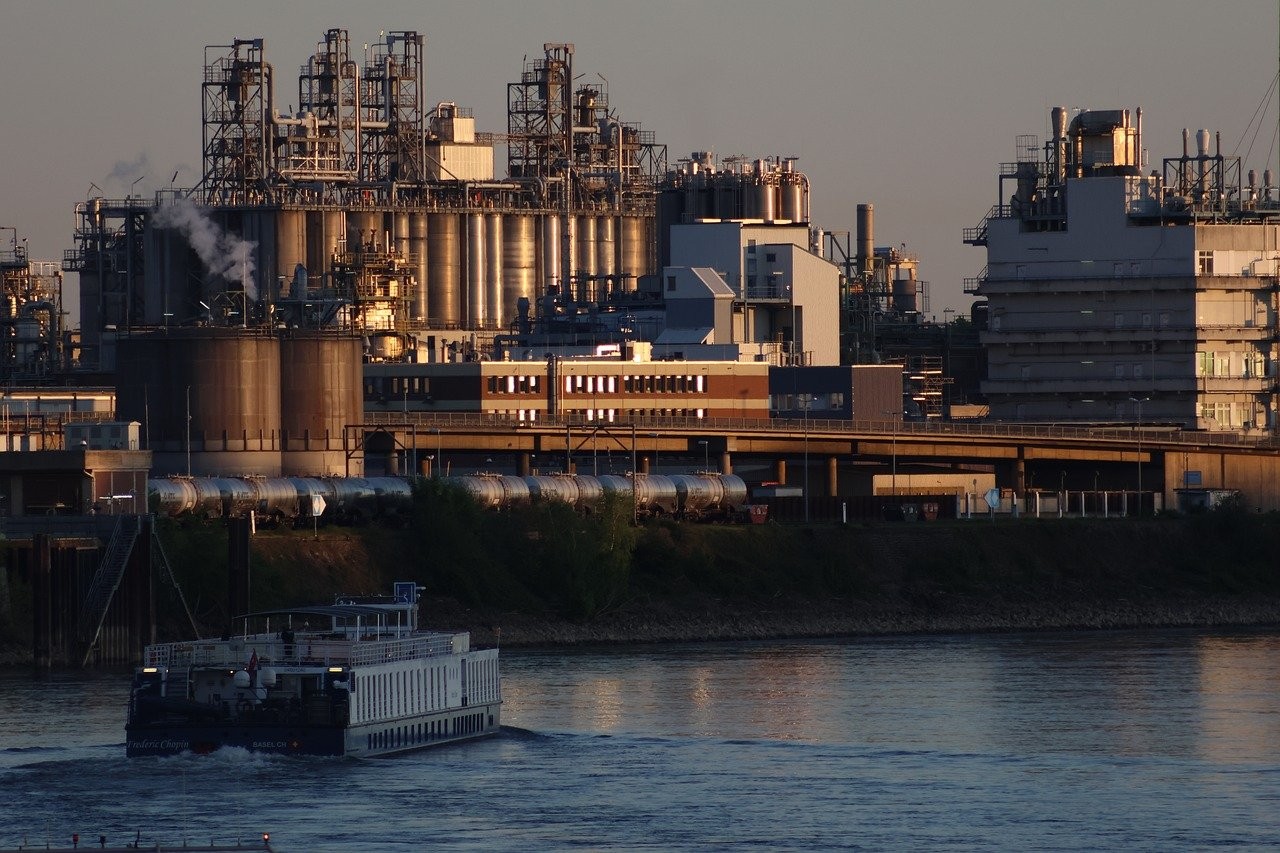
When specifying ASME B16.9 fittings for your projects, consider these factors:
1. Operating Conditions
| Parameter | Consideration |
|---|---|
| Pressure | Select material and schedule that exceeds maximum operating pressure |
| Temperature | Verify material is suitable for operating temperature range |
| Fluid Type | Consider corrosion resistance requirements for the conveyed medium |
2. Material Selection
| Application | Recommended Material |
|---|---|
| General service, non-corrosive | ASTM A234 WPB (Carbon Steel) |
| Low-temperature service | ASTM A420 WPL6 |
| Corrosive service | ASTM A403 WP304/316 (Stainless Steel) |
| High-temperature service | ASTM A234 WP11/WP22 (Alloy Steel) |
3. Size and Schedule
- Match fitting NPS to pipe NPS
- Select schedule (SCH 10, 20, 40, 80, 160, XXS) based on pressure requirements
- Consider wall thickness compatibility for welding
4. Manufacturer Qualifications
- Verify ISO 9001 certification
- Request Material Test Reports (MTRs)
- Check compliance with ASME B16.9 latest edition
- Review manufacturer’s quality control procedures
Price Factors and Procurement
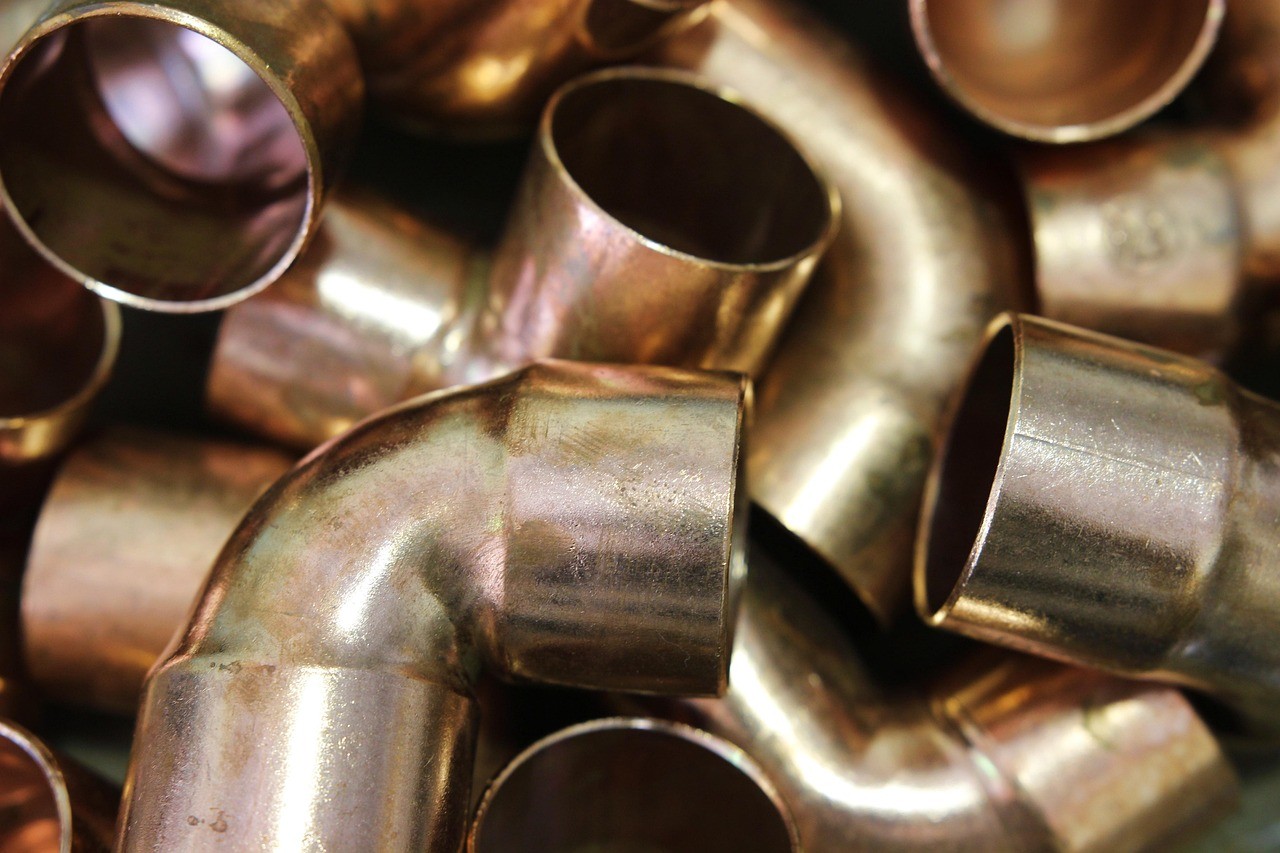
Understanding price drivers helps you budget effectively for ASME B16.9 fittings:
Material Cost Impact
| Material | Relative Cost | Price Driver |
|---|---|---|
| Carbon Steel (WPB) | Base price | Steel market prices, demand |
| Low-Temp Steel (WPL6) | +10-20% | Specialized production |
| Stainless Steel (304/316) | +200-400% | Nickel, chromium content |
| Alloy Steel (WP11/WP22) | +50-100% | Chromium, molybdenum content |
Size and Schedule Impact
- Larger sizes (NPS 24+) command premium pricing due to manufacturing complexity
- Heavier schedules (SCH 160, XXS) increase material costs proportionally
- Short radius elbows may cost more than long radius due to lower production volumes
Quantity Discounts
| Order Quantity | Typical Discount |
|---|---|
| 1-10 pieces | List price |
| 11-50 pieces | 5-10% discount |
| 51-200 pieces | 10-20% discount |
| 200+ pieces | 20-30% discount |
Lead Time Considerations
- Standard items (NPS 1/2 – 12, SCH 40/80) – Often in stock, 1-2 week delivery
- Large sizes (NPS 14 – 24) – 4-8 week manufacturing lead time
- Special materials (alloy, stainless) – 6-12 weeks depending on availability
- Custom specifications – 8-16 weeks for non-standard items
Frequently Asked Questions (FAQ)
What does “wrought” mean in ASME B16.9?
“Wrought” indicates that fittings are manufactured from wrought materials such as pipe, tubing, plate, or forgings. This distinguishes them from cast fittings, which are made by pouring molten metal into molds. Wrought fittings generally have better mechanical properties and more consistent quality.
Does ASME B16.9 cover cast fittings?
No, ASME B16.9 specifically covers factory-made wrought buttwelding fittings. Cast fittings fall under different standards such as MSS SP-43 or ASME B16.24. If your project requires cast fittings, you’ll need to reference these alternative standards.
What is the difference between long radius and short radius elbows?
Long radius (LR) elbows have a center-to-end distance of 1.5 × NPS, providing a gradual flow direction change with lower pressure drop. Short radius (SR) elbows have a center-to-end distance of 1.0 × NPS, offering a more compact solution but with higher pressure drop and turbulence.
Can ASME B16.9 fittings be used for cryogenic service?
Yes, but you must select appropriate materials. Standard carbon steel (A234 WPB) is not suitable below -20°F (-29°C). For cryogenic applications, use low-temperature materials such as ASTM A420 WPL6 (down to -50°F) or austenitic stainless steels (down to -425°F).
Are ASME B16.9 fittings pressure-rated?
ASME B16.9 does not directly assign pressure ratings to fittings. Instead, fittings are designed to have strength equal to or greater than matching pipe. The system pressure rating is determined by the pipe’s pressure rating at the operating temperature, per ASME B31 code requirements.
What is the maximum size covered by ASME B16.9?
ASME B16.9 covers fittings from NPS 1/2 through NPS 48 (DN 15 through DN 1200). However, not all fitting types are available in the full size range. For example, short radius elbows and reducers are limited to NPS 1/2 – 24.
How are ASME B16.9 fittings marked?
Each fitting must be permanently marked with: manufacturer’s name/trademark, material grade (e.g., WPB, WP304), schedule number or nominal wall thickness, nominal pipe size (NPS), heat number for traceability, and the specification number (B16.9).
Can I mix different material grades in the same piping system?
Mixing materials is possible but requires careful consideration. Dissimilar metal welding may require special filler materials and heat treatment. Always consult welding procedure specifications (WPS) and ensure materials are compatible for the intended service conditions.
Conclusion
ASME B16.9 is the definitive standard for factory-made wrought buttwelding fittings, providing dimensional consistency, material specifications, and quality requirements for industrial piping applications. From NPS 1/2 to NPS 48, these fittings serve critical roles in oil & gas, petrochemical, power generation, and water treatment industries.
Key takeaways for contractors and procurement managers:
- Verify material grades match your project specifications and operating conditions
- Request MTRs for all fittings to ensure traceability and compliance
- Consider total cost including material, installation labor, and inspection requirements
- Plan lead times especially for large sizes, special materials, or custom specifications
Looking for reliable ASME B16.9 buttwelding fittings for your next project? We supply a complete range of elbows, tees, reducers, and caps in carbon steel, stainless steel, and alloy steel. All fittings comply with ASME B16.9 latest edition with full Material Test Reports.
Contact us today for a competitive quote on your buttwelding fitting requirements. Our team can help you select the right materials, sizes, and schedules for your specific application.
Welding Procedure Specifications (WPS): Complete Guide for Industrial Contractors
Advanced High-Strength Steel in Automotive Lightweighting
Related Article

CONTACT US
Subscribe to our newsletter to receive the latest information