
Sanitary Filter vs Sanitary Strainer: What's the Difference?
Quick Answer
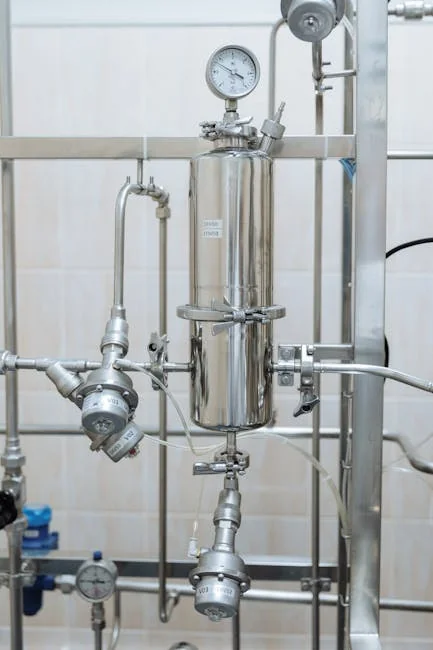
The main difference between a sanitary filter and a sanitary strainer is the particle size they remove:
- Sanitary filters remove fine particles down to sub-micron levels (0.1-100 μm) using replaceable filter elements
- Sanitary strainers remove coarse particles (50-3000 μm) using a perforated or mesh screen
Choose a sanitary filter when you need fine filtration for product clarity, bacteria reduction, or sterile processing.
Choose a sanitary strainer for pre-filtration, debris protection, or coarse particle removal.
Table of Contents
- What is a Sanitary Filter?
- What is a Sanitary Strainer?
- Key Differences at a Glance
- Filtration Mechanism Comparison
- When to Use a Sanitary Filter
- When to Use a Sanitary Strainer
- Combined Systems: Best of Both
- Cost Comparison
- FAQ
1. What is a Sanitary Filter?
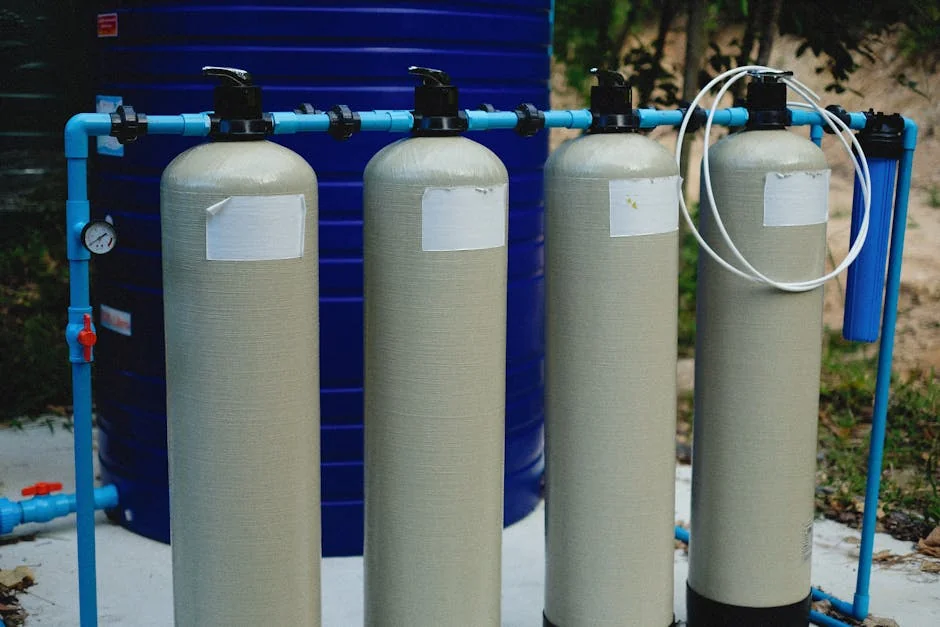
A sanitary filter is a precision filtration device that uses replaceable filter elements (cartridges, bags, or membranes) to remove fine particles from liquids and gases. The housing is constructed from polished stainless steel (304 or 316L) with sanitary connections to maintain hygienic conditions.
Key Characteristics
| Feature | Specification |
|---|---|
| Filtration Range | 0.1 - 100 microns |
| Efficiency | 90% - 99.98% (depending on element) |
| Element Type | Pleated cartridge, bag, membrane |
| Housing Material | 304 or 316L stainless steel |
| Surface Finish | Ra ≤ 0.8 μm (product contact) |
| Connections | Tri-clamp, threaded, flanged |
| Applications | Fine filtration, sterile processing |
Common Applications
- Pharmaceutical: Water for injection (WFI), purified water, process streams
- Food & Beverage: Juice clarification, wine polishing, dairy processing
- Brewery: Beer filtration, yeast removal, brightness filtration
- Biotech: Buffer filtration, media preparation
- Water Treatment: RO pre-filtration, ultrapure water
Learn More: See our Ultimate Guide to Sanitary Filters for comprehensive information.
2. What is a Sanitary Strainer?
A sanitary strainer is a coarse filtration device that uses a perforated metal screen or mesh to remove large particles, debris, and foreign materials from process streams. It's designed to protect downstream equipment and provide initial particle removal.
Key Characteristics
| Feature | Specification |
|---|---|
| Filtration Range | 50 - 3000 microns |
| Efficiency | 60% - 90% (nominal) |
| Screen Type | Perforated plate, wire mesh |
| Housing Material | 304 or 316L stainless steel |
| Surface Finish | Ra ≤ 0.8 μm (product contact) |
| Connections | Tri-clamp, threaded, flanged |
| Applications | Pre-filtration, debris protection |
Common Applications
- Pump Protection: Remove debris before pumps
- Pre-Filtration: Protect downstream fine filters
- Process Streams: Remove hop debris, fruit pieces, packaging materials
- CIP Systems: Capture large particles in cleaning solutions
- Water Intake: Remove debris from source water
3. Key Differences at a Glance
| Feature | Sanitary Filter | Sanitary Strainer |
|---|---|---|
| Filtration Range | 0.1 - 100 μm | 50 - 3000 μm |
| Filtration Efficiency | 90% - 99.98% | 60% - 90% |
| Filter Media | Replaceable elements (cartridge, bag, membrane) | Permanent screen (perforated/mesh) |
| Particle Removal | Fine particles, bacteria, sediment | Coarse debris, foreign materials |
| Pressure Drop | Higher (increases with loading) | Lower (stable) |
| Maintenance | Replace elements regularly | Clean/reuse screen |
| Operating Cost | Higher (element replacement) | Lower (reusable screen) |
| Initial Cost | Higher | Lower |
| Best For | Product filtration, sterile applications | Pre-filtration, equipment protection |
4. Filtration Mechanism Comparison
Sanitary Filter: Depth & Surface Filtration
Sanitary filters use two primary mechanisms:
Depth Filtration (pleated cartridges, string wound):
- Particles are captured throughout the media thickness
- Higher dirt-holding capacity
- Gradient density traps large and small particles
Surface Filtration (membrane filters):
- Particles are captured on the surface
- Absolute rating (99.98% efficiency)
- Used for sterile filtration
Sanitary strainers use mechanical screening:
- Perforated Plate: Round holes (0.5mm - 3mm)
- Wire Mesh: Woven wires (50 - 800 μm openings)
- Particles larger than openings are retained on surface
- Screen is cleanable and reusable
5. When to Use a Sanitary Filter
Choose a sanitary filter for these applications:
Product Filtration
When filtering the actual product for quality requirements:
- Beverage: Beer polishing (1-5 μm), juice clarification (5-10 μm)
- Dairy: Milk standardization, whey filtration (1-10 μm)
- Pharmaceutical: Buffer solutions, intermediates (0.2-5 μm)
Bacteria Reduction
When microbial control is required:
- 0.2 μm absolute: Sterile filtration (pharmaceutical, biotech)
- 0.45 μm: Bacteria reduction (beverages, water)
- 1.0 μm: Pre-filtration for sterilization
High Clarity Requirements
When product appearance matters:
- Wine: Brightness filtration (0.5-5 μm)
- Juices: Clarity improvement (1-10 μm)
- Edible Oils: Polishing (1-5 μm)
Regulatory Compliance
When certifications require specific filtration:
- GMP: Pharmaceutical water systems
- HACCP: Food safety critical control points
- NSF: Drinking water treatment
Selection Guide: See Understanding Micron Ratings to choose the right rating.
6. When to Use a Sanitary Strainer
Choose a sanitary strainer for these applications:
Pre-Filtration
As the first stage in a multi-stage system:
- Protect downstream fine filters from large particles
- Extend cartridge life and reduce operating costs
- Typical installation: Strainer (500 μm) → Filter (10 μm)
Equipment Protection
To protect pumps, valves, and instruments:
- Pump Inlet: Remove debris that could damage impellers
- Spray Balls: Prevent clogging in CIP systems
- Flow Meters: Protect precision instruments
Coarse Particle Removal
When only large particles need removal:
- Brewery: Hop debris, trub (500-1000 μm)
- Food Processing: Fruit pieces, packaging materials (1000-3000 μm)
- Water Intake: Leaves, sediment (500-2000 μm)
High Flow, Low Pressure Drop
When system pressure is critical:
- Strainers maintain low ΔP even when loaded
- No replaceable elements to restrict flow
- Ideal for high-flow pre-filtration
7. Combined Systems: Best of Both
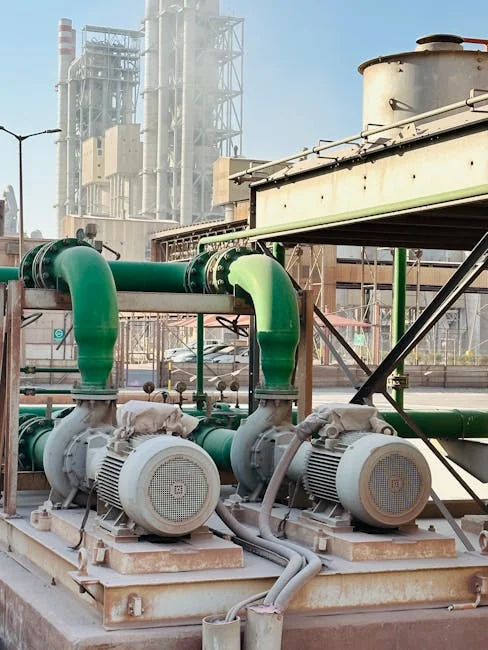
For optimal performance, many systems use both strainers and filters in series:
Benefits of Combined Systems
| Benefit | Description |
|---|---|
| Extended Filter Life | Strainer removes large particles, reducing filter loading |
| Lower Operating Cost | Fewer filter element changes |
| Consistent Performance | Stable flow rates and pressure |
| Equipment Protection | Both coarse and fine contamination removed |
| Reduced Downtime | Less frequent filter changes |
Example: Brewery Filtration System
| Stage | Device | Micron Rating | Purpose |
|---|---|---|---|
| 1 | Y-Type Strainer | 800 μm | Remove hop debris, trub |
| 2 | Bag Filter | 50 μm | Coarse particle removal |
| 3 | Pleated Cartridge | 5 μm | Yeast removal |
| 4 | Pleated Cartridge | 1 μm | Final polishing |
Industry Example: See our Brewery Filtration Guide for complete system design.
8. Cost Comparison
Initial Investment
| Component | Sanitary Strainer | Sanitary Filter |
|---|---|---|
| Housing (Single Round) | $200 - $500 | $300 - $800 |
| Screen/Element | $50 - $150 (reusable) | $20 - $100 (replaceable) |
| Installation | $100 - $300 | $100 - $300 |
| Total Initial | $350 - $950 | $420 - $1,200 |
Operating Costs (Annual Estimate)
| Cost Factor | Sanitary Strainer | Sanitary Filter |
|---|---|---|
| Replacement Elements | $0 (screen is reusable) | $200 - $1,000 (2-10 changes/year) |
| Labor (Maintenance) | $100 - $300 (cleaning) | $200 - $600 (replacement) |
| Downtime | Minimal | Moderate |
| Total Annual | $100 - $300 | $400 - $1,600 |
Total Cost of Ownership (5 Years)
| System | 5-Year Cost |
|---|---|
| Strainer Only | $850 - $2,450 |
| Filter Only | $2,420 - $9,200 |
| Combined System | $2,000 - $6,000 |
Recommendation: A combined system offers the best value—strainer protects the filter, extending element life and reducing total cost.
9. FAQ
Can I use a strainer instead of a filter?
It depends on your requirements. If you only need to remove large particles (>50 μm) for equipment protection, a strainer is sufficient. For fine filtration, product clarity, or sterile applications, you need a filter. Many systems use both.
How often should I clean a sanitary strainer screen?
Clean the strainer screen when:
- Differential pressure increases by 5-10 PSI
- Visible debris accumulation
- Scheduled maintenance (weekly to monthly, depending on application)
- After each production batch (food/pharma)
Can sanitary strainer screens be replaced?
Yes, screens are replaceable but designed for repeated cleaning and reuse. Replacement is typically needed only if the screen is damaged, corroded, or holes become enlarged from wear.
What is the smallest micron rating for a strainer?
Sanitary strainers typically range from 50 to 3000 microns. Below 50 μm, wire mesh screens become fragile and prone to blinding. For finer filtration, use a sanitary filter with cartridge elements.
Do I need both a strainer and a filter for my brewery?
For brewery applications, we recommend:
- Strainer (500-800 μm): After whirlpool, remove hop debris
- Filter (5-10 μm): Pre-filtration before packaging
- Filter (1-5 μm): Final polishing for brightness
This multi-stage approach optimizes cost and performance. See our Brewery Filtration Guide for details.
What material should I choose for sanitary strainer screens?
- 304 SS: Standard for food, beverage, dairy
- 316L SS: Corrosive chemicals, pharmaceutical, coastal environments
- Nylon Mesh: Non-metallic option for specific chemical compatibility
How do I know if I need a filter or strainer?
Ask these questions:
- What particle size must I remove?
- >100 μm → Strainer
- <100 μm → Filter
- Is product clarity critical?
- No → Strainer
- Yes → Filter
- Am I protecting equipment?
- Yes → Strainer (or both)
- No → Depends on other factors
- Is sterile filtration required?
- Yes → Filter (0.2 μm absolute)
- No → Either, based on particle size
Need Help? For personalized selection assistance, see our Ultimate Guide to Sanitary Filters or contact our team.
Related Resources
Product Information
- Sanitary Filters - Complete guide to filter types and selection
- Sanitary Cartridge Filters - Pleated and depth filter elements
- Sanitary Bag Filters - Coarse to medium filtration
Technical Guides
- Understanding Micron Ratings - How to choose the right rating
- 304 vs 316L Stainless Steel - Material selection guide
- Tri-Clamp Installation Guide - Proper connection assembly
Industry Applications
- Brewery Filtration Guide - Complete brewery system design
- Food & Beverage Filtration - Industry-specific requirements
- Pharmaceutical Water Filtration - GMP compliance
Tri-Clamp Installation Guide: Step-by-Step for Sanitary Filter Housings
NSF, FDA, GMP Certifications for Sanitary Filters: Complete Guide
Related Article

CONTACT US
Subscribe to our newsletter to receive the latest information