
Brewery Filtration Guide: Complete System Design & Selection
Quick Answer
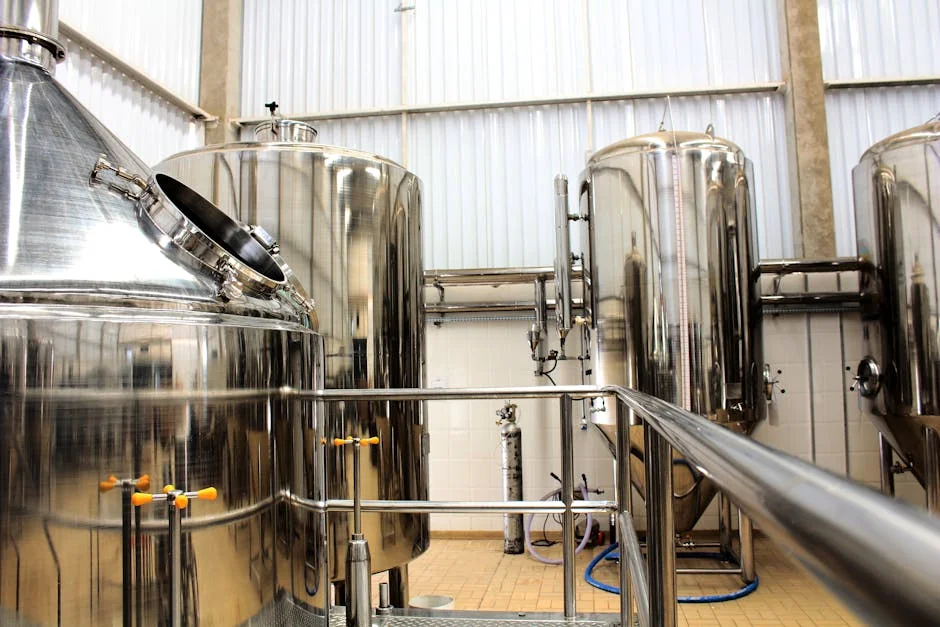
Brewery filtration requires a multi-stage approach to remove hop debris, yeast, and particulates while preserving beer flavor and aroma.
Typical Brewery Filtration System:
| Stage | Device | Micron Rating | Purpose |
|---|---|---|---|
| 1 | Y-Type Strainer | 500-800 μm | Remove hop debris, trub |
| 2 | Bag Filter | 20-50 μm | Coarse particle removal |
| 3 | Pleated Cartridge | 5-10 μm | Yeast reduction |
| 4 | Pleated Cartridge | 1-5 μm | Final polishing, brightness |
Key Considerations:
- Use 304 stainless steel for standard brewery applications
- Select nominal ratings for pre-filtration, absolute for final
- Design for CIP cleaning compatibility
- Consider flow rates of 2-4 GPM per barrel
Table of Contents
- Brewery Filtration Overview
- Filtration Stages Explained
- Equipment Selection
- System Design by Brewery Size
- Filter Media Selection
- Installation Guidelines
- CIP & Maintenance
- Troubleshooting
- Cost Considerations
- FAQ
1. Brewery Filtration Overview
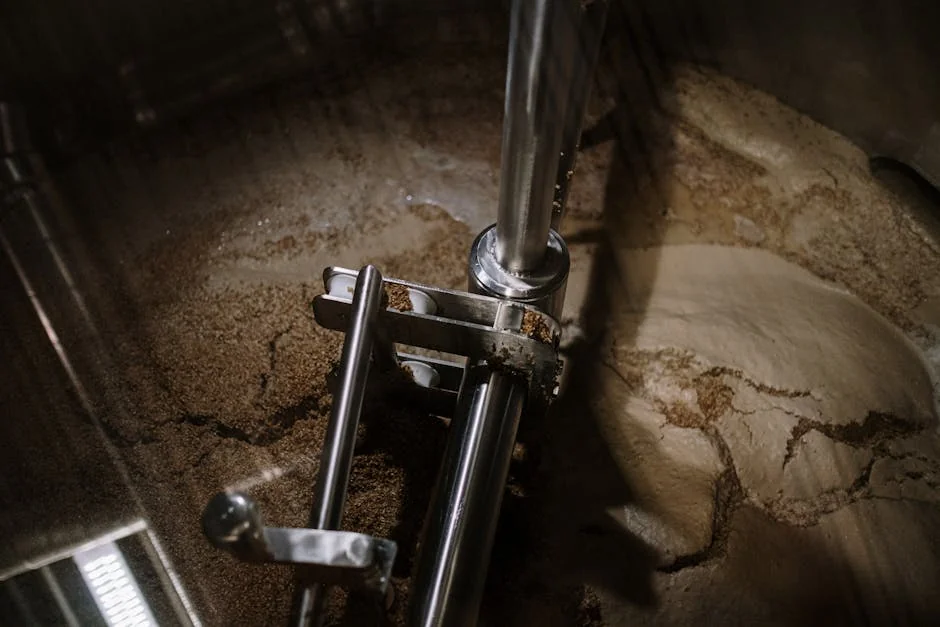
Why Filter Beer?
Filtration serves multiple purposes in brewing:
| Purpose | Benefit |
|---|---|
| Clarity | Bright, appealing appearance |
| Stability | Extended shelf life |
| Consistency | Uniform product quality |
| Yeast Removal | Prevents over-attenuation |
| Debris Removal | Protects downstream equipment |
What Gets Removed?
| Contaminant | Size | Impact if Not Removed |
|---|---|---|
| Hop debris | 500-2000 μm | Off-flavors, clogging |
| Trub (protein break) | 100-500 μm | Haziness, off-flavors |
| Yeast cells | 5-10 μm | Over-attenuation, haze |
| Protein particles | 1-10 μm | Chill haze |
| Bacteria | 0.5-5 μm | Spoilage, off-flavors |
Filtration Philosophy
Traditional Approach: Minimal filtration, preserve character
Modern Approach: Multi-stage filtration, consistent quality
Recommendation: Use the minimum filtration necessary to achieve your quality goals. Over-filtration can strip flavor and body.
Related: Learn about filter types in our Ultimate Guide to Sanitary Filters.
2. Filtration Stages Explained
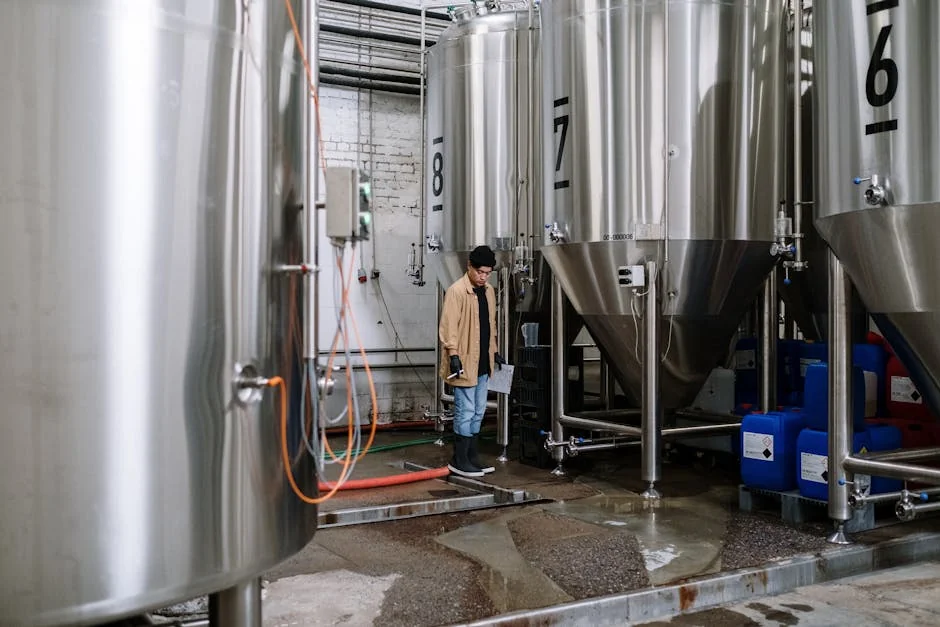
Stage 1: Whirlpool Outlet (Strainer)
Purpose: Remove large hop debris and trub before heat exchanger
Equipment: Y-Type strainer or basket strainer
Micron Rating: 500-800 μm (0.5-0.8 mm)
Flow Rate: Full wort flow (high volume)
Key Features:
- Easy cleaning access
- Bypass capability
- Large debris capacity
- Sanitary tri-clamp connections
Process Flow:

Whirlpool → [Y-Strainer 800μm] → Plate Chiller → Fermenter
Benefits:
- Protects plate chiller from clogging
- Removes visible debris
- Low pressure drop
- Reusable screen
Related: See Sanitary Filter vs Strainer for when to use strainers.
Stage 2: Transfer Filtration (Pre-Filtration)
Purpose: Remove coarse particles before final filtration
Equipment: Bag filter housing or coarse cartridge
Micron Rating: 20-50 μm
Location: Fermenter to BBT transfer
Key Features:
- High dirt capacity
- Cost-effective pre-filtration
- Protects final filter
Process Flow:

Fermenter → [Bag Filter 50μm] → [Final Filter 5μm] → BBT
Benefits:
- Extends final filter life
- Reduces operating costs
- Handles variable yeast loads
Stage 3: Final Filtration (Polishing)
Purpose: Achieve target clarity and stability
Equipment: Pleated cartridge filter housing
Micron Rating: 1-5 μm (depends on beer style)
Location: BBT to packaging
Key Features:
- Absolute or nominal rating
- Sanitary design
- Easy element change-out
Rating Guidelines by Beer Style:
| Beer Style | Recommended Final Rating | Clarity Target |
|---|---|---|
| IPA (hazy) | 10-20 μm (nominal) | Slight haze acceptable |
| IPA (west coast) | 5-10 μm | Bright |
| Lager | 1-5 μm | Crystal clear |
| Pilsner | 1-3 μm | Brilliant |
| Stout/Porter | 5-10 μm | Dark, clarity less critical |
| Wheat Beer | 10-20 μm | Natural haze |
| Sour/Wild | 0.45-1 μm | Microbial stability |
Related: See Understanding Micron Ratings for rating selection.
Stage 4: Optional Sterile Filtration
Purpose: Remove bacteria for extended shelf life
Equipment: Membrane filter cartridge
Micron Rating: 0.45-0.65 μm (absolute)
Applications:
- High-gravity beers
- Export beers
- Beers with residual sugar
- Extended distribution
Considerations:
- May strip some flavor compounds
- Higher pressure drop
- More expensive
- Requires validated system
3. Equipment Selection
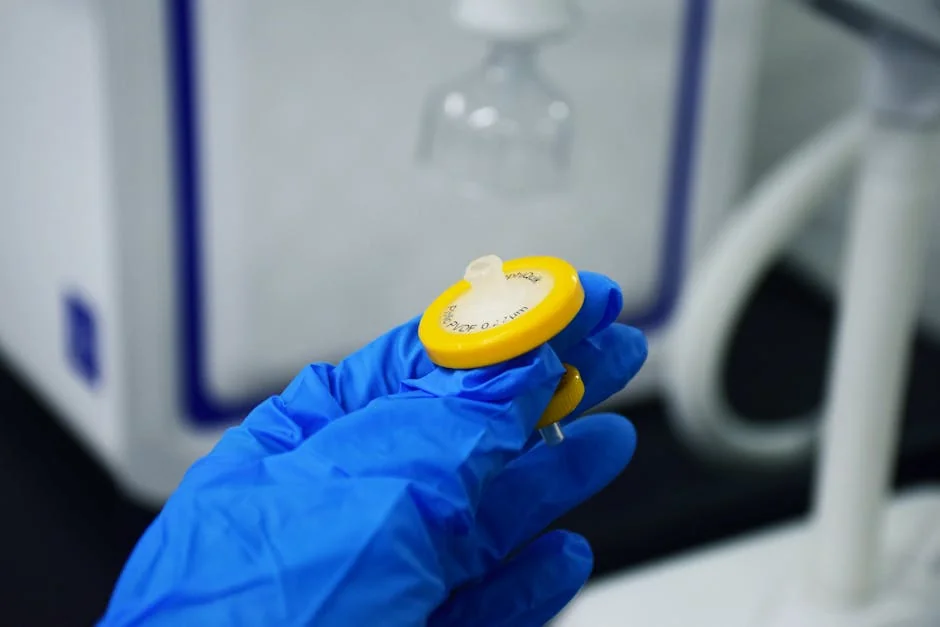
3.1 Strainer Selection
| Parameter | Recommendation |
|---|---|
| Type | Y-Type or basket strainer |
| Material | 304 stainless steel |
| Screen | 500-800 μm perforated |
| Connection | Tri-clamp (size matches piping) |
| Features | Blow-down valve, easy access |
Sizing: Match or exceed pipe size
Popular Sizes:
- 1.5" for pilot systems
- 2" for 10-30 BBL breweries
- 3" for 50+ BBL breweries
3.2 Bag Filter Selection
| Parameter | Recommendation |
|---|---|
| Housing | Single or multi-bag |
| Material | 304 or 316L stainless steel |
| Bag Rating | 20-50 μm nominal |
| Bag Material | Nylon or polypropylene |
| Seal | EPDM or Viton |
Flow Rate: 50-100 GPM per bag
Advantages:
- High dirt capacity
- Cost-effective
- Simple operation
- Good for pre-filtration
3.3 Cartridge Filter Selection
| Parameter | Recommendation |
|---|---|
| Housing | Multi-round (3-7 cartridges) |
| Material | 304 stainless steel |
| Cartridge Type | Pleated polypropylene |
| Micron Rating | 1-10 μm (stage-dependent) |
| End Style | 222/O-ring or 226/fin seal |
| Seals | EPDM or Silicone |
Flow Rate: 10-25 GPM per 10" cartridge
Sizing Example:
Brewery: 30 BBL
Batch time: 4 hours
Flow rate needed: 30 BBL × 31 gal/BBL ÷ 4 hrs ÷ 60 min = ~4 GPM

With 25% safety margin: 5 GPM
At 20 GPM per cartridge: 5 ÷ 20 = 0.25 cartridges

Select: Single-round or 3-round housing
(Allows for future expansion and lower ΔP)
3.4 Housing Features for Brewery
| Feature | Benefit |
|---|---|
| Vent Port | Air elimination during startup |
| Drain Port | Complete drainage, product recovery |
| Pressure Gauges | Monitor filter condition |
| Sample Port | Quality verification |
| Leg Supports | Stable installation |
| Wall Mount | Space saving |
4. System Design by Brewery Size

4.1 Nano Brewery (1-5 BBL)
Characteristics:
- Small batch sizes
- Limited space
- Budget-conscious
- Manual operations
Recommended System:
Equipment List:
- 1.5" Y-strainer (800 μm)
- Single-round housing (5 μm cartridge)
- Tri-clamp fittings and tubing
- Manual valves
Estimated Cost: $500 - $1,500
4.2 Microbrewery (5-30 BBL)
Characteristics:
- Production focus
- Regular brewing schedule
- Quality consistency important
- Some automation
Recommended System:
Equipment List:
- 2" Y-strainer (500 μm)
- Single-bag housing (50 μm)
- 3-round cartridge housing (5 μm)
- Sanitary centrifugal pump
- Tri-clamp piping
Estimated Cost: $2,000 - $5,000
4.3 Regional Brewery (30-100 BBL)
Characteristics:
- High production volume
- Multiple beer styles
- Distribution beyond local
- Automated systems
Recommended System:
Equipment List:
- 3" Y-strainer (500 μm)
- Multi-bag housing (20 μm)
- 7-round housing (10 μm)
- 3-round housing (1-5 μm)
- Automated controls
- CIP system integration
Estimated Cost: $8,000 - $20,000
4.4 Large Brewery (100+ BBL)
Characteristics:
- Very high volume
- Multiple production lines
- Wide distribution
- Full automation
Recommended System:
- Custom engineered multi-stage system
- Parallel filtration trains
- Automated valve control
- CIP stations
- Redundant systems
Estimated Cost: $25,000 - $100,000+
5. Filter Media Selection
5.1 Filter Media for Beer
| Media Type | Micron Range | Best For | Cost |
|---|---|---|---|
| Pleated PP | 1-100 μm | General purpose, most common | $ |
| Depth PP | 1-100 μm | High yeast loads | $ |
| Nylon | 0.5-50 μm | Fine filtration, flavor retention | $$ |
| PES | 0.1-10 μm | Premium, sterile filtration | $$$ |
| String Wound | 1-100 μm | Traditional, budget option | $ |
5.2 Media Selection by Application
| Application | Recommended Media | Micron | Rationale |
|---|---|---|---|
| Wort (pre-fermentation) | Pleated PP or Bag | 20-50 μm | Remove trub, hop debris |
| Green Beer Transfer | Depth PP | 10-20 μm | Handle high yeast load |
| BBT to Packaging | Pleated PP | 5-10 μm | Standard polishing |
| Bright Beer (premium) | Nylon or PES | 1-5 μm | Maximum clarity |
| Sterile Filtration | PES Membrane | 0.45-0.65 μm | Microbial stability |
5.3 Flavor Impact Considerations
Concern: Filtration can strip flavor compounds
Minimizing Flavor Loss:
- Use coarsest effective rating
- Choose low-adsorption media (PP over cellulose)
- Avoid over-filtration
- Consider hazy styles (use 10-20 μm)
- Test different media types
Media Flavor Impact:
| Media | Flavor Impact | Best For |
|---|---|---|
| Polypropylene | Low | Most styles |
| Nylon | Very Low | IPAs, hoppy beers |
| PES | Low | Premium lagers |
| Cellulose | Moderate | Not recommended for hoppy beers |
| Diatomaceous Earth | High | Traditional, being phased out |
6. Installation Guidelines
6.1 System Layout
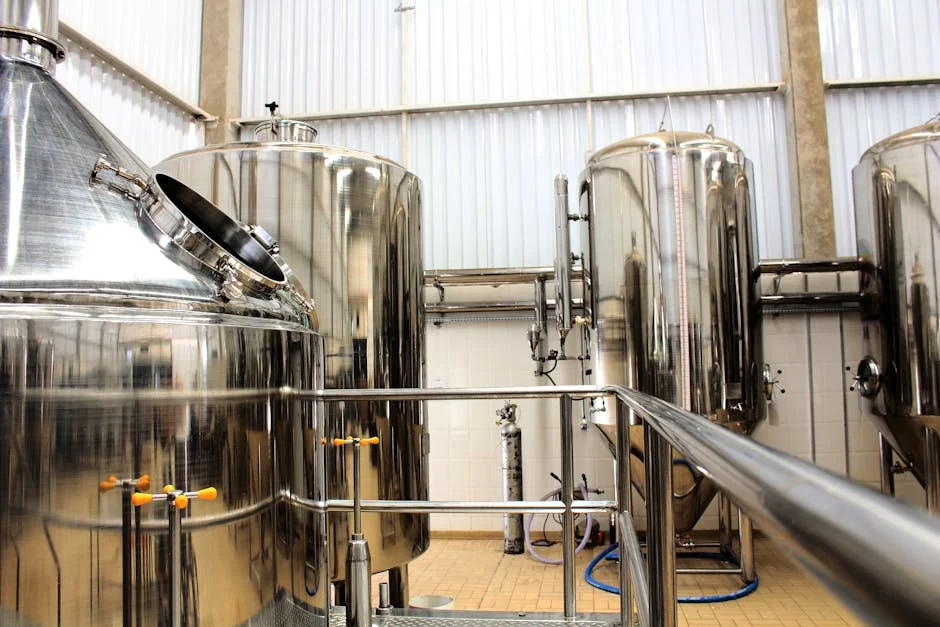
Best Practices:
6.2 Piping Considerations
| Factor | Recommendation |
|---|---|
| Pipe Size | Match or exceed pump outlet |
| Material | 304 stainless steel |
| Connections | Tri-clamp throughout |
| Slope | 1-2% toward drain |
| Dead Legs | Minimize (L/D < 2) |
| Valves | Sanitary butterfly or ball valves |
6.3 Pump Selection
| Parameter | Recommendation |
|---|---|
| Type | Centrifugal (sanitary) |
| Material | 304 or 316L stainless steel |
| Seal | Mechanical seal (food-grade) |
| Flow Rate | 2-4 GPM per BBL |
| Head Pressure | 30-50 PSI typical |
Variable Frequency Drive (VFD) Benefits:
- Gentle startup
- Flow rate control
- Reduced shear
- Energy savings
6.4 Installation Checklist
□ Verify all components received
□ Inspect for shipping damage
□ Clean all components before installation
□ Verify tri-clamp sizes match
□ Support all piping (no stress on connections)
□ Install pressure gauges (inlet/outlet)
□ Install sample ports
□ Verify proper slope for drainage
□ Connect CIP system (if applicable)
□ Pressure test with water
□ Verify all connections leak-free
□ Document installation (photos, diagrams)
Detailed Instructions: See Tri-Clamp Installation Guide for connection assembly.
7. CIP & Maintenance
7.1 CIP Procedure for Filter Systems
Automatic CIP (if equipped):
1. Pre-rinse: Water, 2-3 minutes
2. Caustic: 1-2% NaOH, 60-80°C, 15-30 minutes
3. Intermediate rinse: Water until pH neutral
4. Acid: 0.5-1% HNO₃, ambient, 10-15 minutes
5. Final rinse: Water until pH neutral
6. Sanitize: Hot water (85°C+) or chemical
Manual CIP:
1. Drain system completely
2. Disassemble filter housing
3. Remove and dispose of filter elements
4. Clean housing with approved detergent
5. Rinse thoroughly
6. Inspect seals and gaskets
7. Reassemble with new elements
8. Sanitize before next use
Maintenance Guide: See Sanitary Filter Maintenance for detailed SOPs.
7.2 Filter Element Change-Out
Indicators for Replacement:
| Indicator | Threshold | Action |
|---|---|---|
| Differential Pressure | ΔP > 25 PSI | Replace immediately |
| Batch Count | Per brewery SOP | Scheduled replacement |
| Flow Rate | >20% reduction | Investigate/replace |
| Beer Quality | Out of spec | Replace |
Typical Replacement Frequency:
- Pre-filter (bag/coarse): Every 5-15 batches
- Final filter (5 μm): Every 10-30 batches
- Sterile filter (0.45 μm): Every batch or as validated
7.3 Maintenance Schedule
| Task | Frequency | Notes |
|---|---|---|
| Visual inspection | Daily | Check for leaks |
| Pressure monitoring | Each batch | Record ΔP |
| Element replacement | As needed | Based on ΔP |
| Gasket replacement | Every 6 months | Prevent leaks |
| Housing cleaning | Monthly | Deep clean |
| Calibration (gauges) | Annually | Verify accuracy |
| Passivation | Annually | Restore corrosion resistance |
8. Troubleshooting
Problem: High Initial Pressure Drop
| Possible Cause | Solution |
|---|---|
| Filter rating too fine | Verify micron selection |
| Flow rate too high | Reduce flow or add cartridges |
| Air in system | Vent housing properly |
| Valve partially closed | Check all valves |
| Kinked tubing | Inspect and replace |
Problem: Short Filter Life
| Possible Cause | Solution |
|---|---|
| High yeast load | Add/upgrade pre-filtration |
| Wrong filter type | Switch to depth filter for pre-stage |
| Flow rate too high | Reduce flow rate |
| Dirty system | Clean tanks and piping |
| Infection | Investigate microbial source |
Problem: Hazy Beer
| Possible Cause | Solution |
|---|---|
| Filter rating too coarse | Reduce micron rating |
| Channeling (bypass) | Verify proper installation |
| Chill haze | Add stabilization step |
| Infection | Check sanitation procedures |
| Over-filtration | May be stripping proteins |
Problem: Off-Flavors After Filtration
| Possible Cause | Solution |
|---|---|
| Dirty filter housing | Improve cleaning procedures |
| Contaminated elements | Verify supplier quality |
| Stale beer | Check packaging/dating |
| Over-filtration | Use coarser rating |
| Infection | Investigate entire process |
9. Cost Considerations
9.1 Initial Investment
| System Component | Nano (1-5 BBL) | Micro (5-30 BBL) | Regional (30-100 BBL) |
|---|---|---|---|
| Strainer | $50-150 | $150-400 | $400-1,000 |
| Bag Filter | $100-200 | $200-500 | $500-1,500 |
| Cartridge Housing | $200-400 | $400-900 | $900-2,500 |
| Piping/Fittings | $200-500 | $500-1,500 | $1,500-5,000 |
| Pump | $300-600 | $600-1,500 | $1,500-4,000 |
| Total | $850-1,850 | $1,850-4,800 | $4,800-14,000 |
9.2 Operating Costs (Per Batch)
| Cost Factor | Nano | Micro | Regional |
|---|---|---|---|
| Filter Elements | $5-15 | $15-50 | $50-200 |
| Labor | $10-20 | $20-50 | $50-150 |
| CIP Chemicals | $5-10 | $10-30 | $30-100 |
| Downtime | $20-50 | $50-150 | $150-500 |
| Total Per Batch | $40-95 | $95-280 | $280-950 |
9.3 Cost Optimization Strategies
- Multi-Stage Filtration: Pre-filter extends final filter life
- Proper Sizing: Undersized filters cost more in frequent changes
- Quality Elements: Cheap filters may cost more in failures
- Preventive Maintenance: Regular cleaning extends life
- Staff Training: Proper operation reduces errors
10. FAQ
What micron filter should I use for beer?
Depends on the stage and beer style:
- Wort: 20-50 μm (remove trub, hop debris)
- Transfer: 10-20 μm (yeast reduction)
- Final: 1-10 μm (polishing)
- IPA (hazy): 10-20 μm
- IPA (clear): 5-10 μm
- Lager: 1-5 μm
- Sterile: 0.45 μm
Do I need to filter my beer?
Not all beers require filtration:
- Hazy IPAs: Often unfiltered or lightly filtered
- Traditional styles: May benefit from filtration
- Distribution: Filtration improves stability
- Draft only: Can often skip fine filtration
What's the difference between nominal and absolute filtration?
Nominal: Removes 60-90% of particles at rated size (general purpose)
Absolute: Removes 99.9%+ of particles at rated size (critical applications)
For beer, use nominal for pre-filtration, absolute for final if clarity is critical.
How often should I change filter elements?
Change when:
- ΔP reaches 25-35 PSI
- Flow rate drops significantly
- After X batches (per your SOP)
- Beer quality issues
Typical: Pre-filter every 5-15 batches, final every 10-30 batches.
Can I filter hoppy beers without losing flavor?
Yes, with proper selection:
- Use nylon media (low adsorption)
- Choose coarser ratings (10-20 μm for hazy)
- Avoid cellulose media (strips hop compounds)
- Consider bag filtration only for pre-stage
Is sterile filtration worth it?
Sterile filtration (0.45 μm) is worth it when:
- Distributing beyond local market
- High-gravity or sweet beers
- Extended shelf life required
- Pasteurization not an option
Not necessary for:
- Local draft-only breweries
- Quick-turnaround beers
- High-ABV beers (>8%)
What material should I choose for brewery filters?
304 stainless steel is standard and sufficient for most brewery applications. Upgrade to 316L only if:
- Coastal location (salt air)
- Using aggressive chemicals
- Very soft water (corrosive)
See 304 vs 316L Stainless Steel for details.
How do I size a filter system for my brewery?
Basic formula:
Flow Rate (GPM) = Batch Size (BBL) × 31 gal/BBL ÷ Transfer Time (hours) ÷ 60

Add 25-50% safety margin for future growth
Example: 30 BBL batch in 4 hours = 30 × 31 ÷ 4 ÷ 60 = ~4 GPM
With 50% margin: 6 GPM → Select system for 10+ GPM
Related Resources
Technical Guides
- Ultimate Guide to Sanitary Filters - Complete filter guide
- Understanding Micron Ratings - Rating selection
- Sanitary Filter vs Strainer - Filter types
Industry Applications
- Food & Beverage Filtration - Industry requirements
- Sanitary Cartridge Filters - Product guide
304 vs 316L Stainless Steel for Sanitary Filters: Complete Comparison
Welding Inspection and NDT Methods: Complete Guide to Quality Control
Related Article

CONTACT US
Subscribe to our newsletter to receive the latest information