The Invisible Guardians of Modern Life: Exploring the Clean World of Sanitary Pipeline Systems
When you open the refrigerator in the morning and pour a glass of rich milk; when you twist open a bottle of clear mineral water in the afternoon; when you take a dose of trustworthy medicine while ill—have you ever wondered about the journey these liquids, which sustain our daily health and lives, undertake before reaching your hands?

The "path" of this journey is far from ordinary piping; it is a highly specialized, clean Sanitary Pipeline System. It acts like an "Invisible Guardian" within modern industrial systems, silently protecting the purity and safety of every drop of liquid from source to endpoint.
1.The Ubiquitous "Lifeline": What are Sanitary Pipelines?
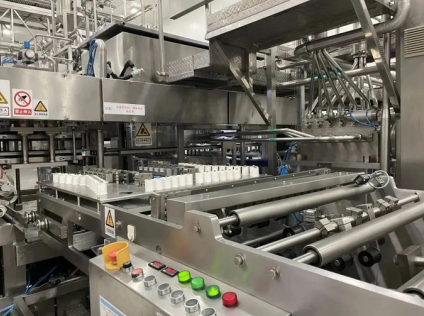
In simple terms, a sanitary pipeline system is a fluid transfer system specially designed for industries with stringent hygiene requirements, such as food, beverage, pharmaceuticals, biotechnology, and cosmetics. It is fundamentally different from the water pipes in our homes or municipal pipelines in our cities.
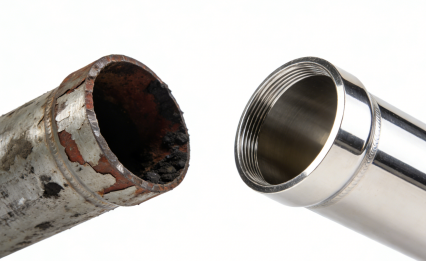
The core difference lies in one word: Cleanliness.
The goal of ordinary piping is to "get liquid from point A to point B," while the goal of sanitary piping is to "absolutely protect the liquid from contamination during transfer, while itself not harboring or generating contaminants." This sounds like a basic requirement, but achieving it requires a complete set of precise technologies and strict standards.
Consider some striking comparisons: According to data from the U.S. Centers for Disease Control and Prevention (CDC), foodborne illnesses affect hundreds of millions of people globally each year. Besides raw materials and processing, microbial growth, chemical migration, or physical particle shedding inside transfer pipelines can all become sources of fatal contamination. In the pharmaceutical industry, even a single microbial residue in a pipeline can lead to the scrapping of an entire batch of medicine worth millions of dollars and potentially threaten patient lives.
Therefore, sanitary pipeline systems are by no means a luxury; they are the lifeline and safety baseline for these life-and-health-critical industries.
2. Why is "Stainless Steel" the Absolute Lead Actor?
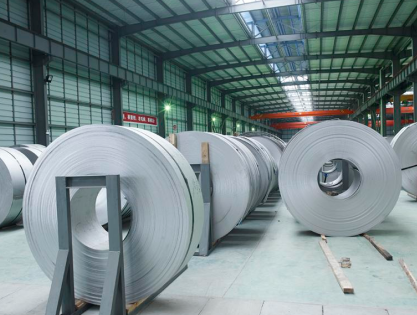
Walk into any modern yogurt plant, brewery, or biopharmaceutical facility, and you'll see a world of silvery shine. Over 90% of sanitary pipelines are made of stainless steel, with AISI 316L (a low-carbon, molybdenum-containing stainless steel) becoming the industry gold standard.
Why stainless steel?
Ultimate Corrosion Resistance: Lactic acid in milk, carbonic acid in beer, fruit acids in juice, and various solvents used in pharmaceuticals are all corrosive. The molybdenum in 316L stainless steel helps form a robust protective layer, resisting corrosion from various chemicals and ensuring the pipeline itself does not leach metal ions into the product.
Absolute Non-Toxicity and Inertness: The dense surface of stainless steel does not adsorb or release harmful substances, fully complying with the world's strictest regulations for food and pharmaceutical contact materials, such as those from the U.S. FDA and the European EFSA.
Unmatched Strength and Lifespan: It is robust and durable, capable of withstanding repeated high-temperature, high-pressure cleaning cycles, with a service life spanning decades. From a full lifecycle perspective, it is often more economical.
However, behind the term "stainless steel" lies a vast difference in quality. Sanitary stainless steel pipelines have near-fanatical requirements for material purity and homogeneity. Every batch of raw material requires traceable "identification" (like an EN 10204 3.1 material certificate) to ensure its composition fully meets standards.
3. The Secret to a Mirror Finish: The Art of Surface Treatment
If the material is the foundation, then the internal surface finish is the soul of a sanitary pipeline.
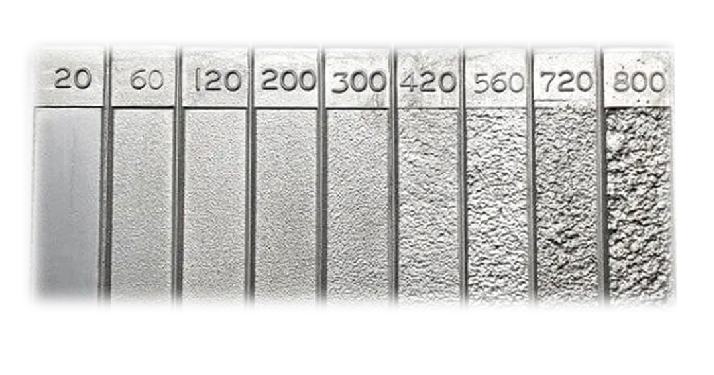
Imagine the difference between a kitchen sink wall and a pane of glass. The rough sink wall traps grease and breeds bacteria, while the smooth glass rinses clean instantly. The inner wall of a sanitary pipeline pursues the ultimate version of the latter. Its smoothness is measured by the professional term "Surface Roughness (Ra value)" in micrometers (µm, one-millionth of a meter).
The Ra value of an ordinary industrial steel pipe might be 10-20µm or higher, with visible texture.
In contrast, sanitary pipelines carrying high-end cosmetics or injectable medications require an Ra value below 0.5 micrometers, sometimes even below 0.25 µm. At this level, the inner wall appears mirror-like even under an electron microscope, leaving microorganisms and residues almost no place to "settle."
Achieving this smoothness relies primarily on two key processes:
Mechanical Polishing: Using progressively finer abrasive tools, similar to giving the pipe a deep "SPA."
Electropolishing (EP): This is a more advanced process. The pipe is placed in an electrolyte solution and subjected to an electric current. Through electrochemical principles, microscopic surface peaks are preferentially dissolved, achieving atomic-level smoothness. This process also forms a chromium-rich passive layer on the surface, dramatically enhancing corrosion resistance.
4. The "Devil" in the Details: Welding vs. Clamp Connections
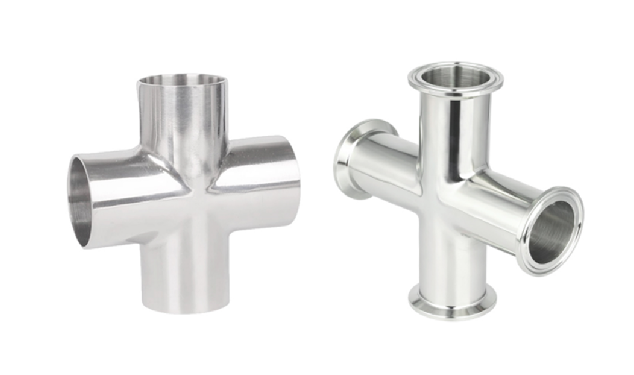
Pipes need to be connected, and connection points have historically been sanitation weak points. Traditional pipes use flanges and rubber gaskets, where gaps and aging gaskets become contamination sources.
Sanitary pipeline systems address this with two revolutionary methods:
Automatic Orbital Welding: For permanently connected pipelines, automatic orbital welding machines with argon gas protection are used. The weld head rotates precisely around the pipe under computer control, creating a weld seam that is completely flush and smooth with the pipe's inner wall, without any gaps or depressions, realizing the ideal of a "seamless connection."
Sanitary Clamp Connections: For pipeline sections requiring frequent disassembly for cleaning or replacement, standardized clamp connections are used. These connections employ two precision-machined ferrules with a sealing gasket, locked together by a quick clamp. The essence lies in all components (ferrules, gaskets, clamps) adhering to internationally unified standards (like ISO 2852, DIN 11851), ensuring spare parts from anywhere in the world are perfectly interchangeable. The gasket materials (like silicone, EPDM, PTFE) are also hygienically certified.
5. The Rigorous "Final Exam": Cleaning and Sterilization
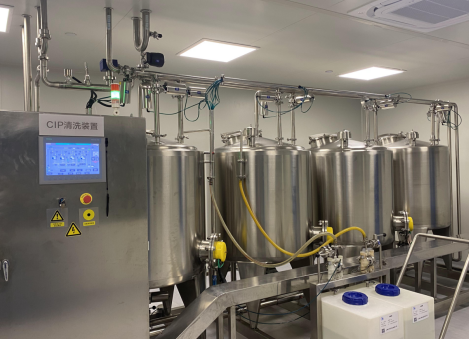
Even if the pipeline itself is impeccably clean, it must be thoroughly cleaned after use. In the food and pharmaceutical industries, this has evolved into a precise science: CIP (Clean-in-Place) and SIP (Sterilize-in-Place).
CIP Systems: Without disassembling the pipeline, pre-programmed cycles automatically circulate cleaning agents (like caustic or acid solutions) through the pipeline network. By controlling the temperature, concentration, flow rate, and shear force of the fluids, CIP systems physically scour and chemically break down all residues on the inner walls, akin to "stomach pumping."
SIP Systems: In pharmaceuticals, sterilization is required after cleaning. A common method is using pure saturated steam above 121°C held within the pipelines for a specified duration to ensure the elimination of all microorganisms.
A well-designed sanitary pipeline system must guarantee that during CIP/SIP processes, every potential "dead leg" is adequately covered by cleaning agents or steam, meeting validation requirements. This is determined from the initial design stage.
6. Tailored for Every Industry: Customized Needs
Sanitary pipelines are not one-size-fits-all; they are like a skilled tailor, custom-fitted for different industries:
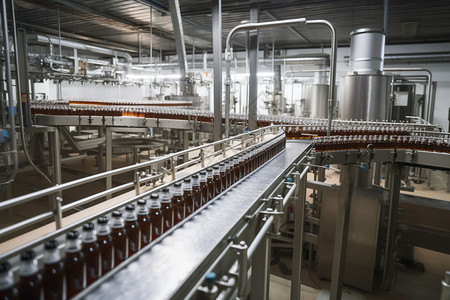
Dairy & Beverage Industry: The core is resisting organic acid corrosion and frequent hot caustic cleaning. Pipeline design must ensure smooth transfer of media like cream or pulp, preventing blockages.
Brewing Industry: Beyond hygiene, flavor protection is paramount. The pipeline system must prevent the migration of any trace metal ions that could affect beer's delicate color and taste. Welding quality requirements are exceptionally high.
Pharmaceutical & Biotech Industry: This represents the pinnacle of requirements. Systems must be "sterile-grade." Besides the highest Ra values, they must follow cGMP (current Good Manufacturing Practice). The entire system's design, installation, testing, and validation documentation (DQ/IQ/OQ/PQ) must be complete and traceable to satisfy the most stringent regulatory agency reviews.
Cosmetics & Personal Care Industry: Focus is on protecting the stability of fragrances and active ingredients, preventing contamination and oxidation.
From farm to table, from lab to bedside, the sanitary pipeline system—this "invisible clean highway"—carries far more than just fluids. It carries people's expectations for safety, trust in quality, and the precision and commitment of modern industrial civilization.
The next time you enjoy a safe beverage or use a reliable medication, perhaps you can think of this entire unseen, incredibly complex system of technology acting as a loyal guardian, protecting this fundamental sense of security for you. This is the very essence of sanitary pipeline systems—the most silent yet critical infrastructure in modern life.
Green Steel Trends: How to Select Low-Carbon Steel to Meet EU CBAM Requirements
The Hidden Corrosion Risk in "Stainless" Steel Pipes - Are Your Systems Safe?
Related Article



CONTACT US
Subscribe to our newsletter to receive the latest information