
The Art of Precision Connection in Industrial Piping Systems
Exploring the Technical Essence of Modern Industrial Pipe Fittings from Material Science to Manufacturing Processes
In modern industrial piping systems, pipe fittings serve as crucial connecting components that go beyond being simple accessories. They are core elements ensuring the integrity, safety, and reliability of entire piping systems. These precision-manufactured components connect with pipes through various joining methods, forming essential fluid transport networks in industrial facilities, with their quality directly impacting system operational efficiency.
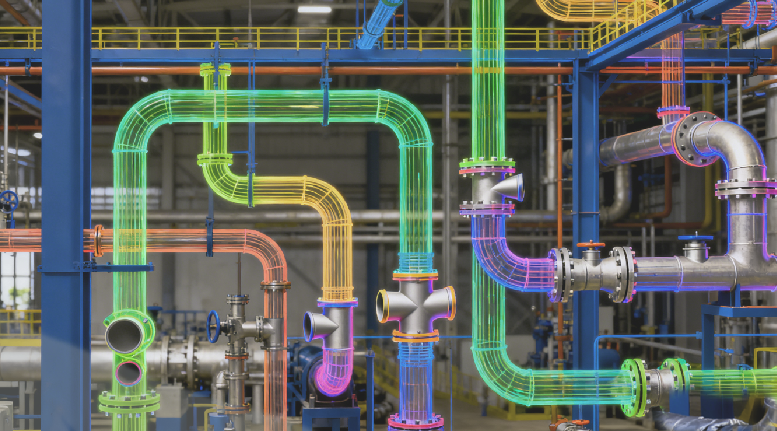
Precision Application of Material Science
The material selection for pipe fittings is based on rigorous scientific analysis and extensive engineering experience. Each material has its specific application scenarios and performance advantages:
Carbon steel pipe fittings (ASTM A105/A234) are preferred for most industrial applications due to their excellent strength, toughness, and machinability. Their carbon content is controlled within a specific range to ensure sufficient strength while maintaining good processability. During manufacturing, precise heat treatment processes give the material a uniform sorbitic structure, resulting in stable mechanical properties.
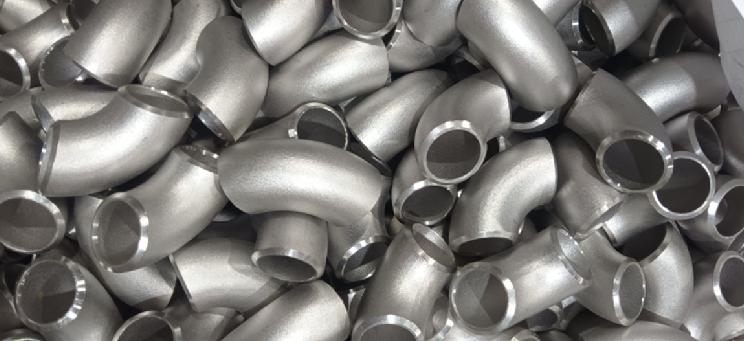
Stainless steel pipe fittings (ASTM A182/A403) excel in corrosion resistance. The ultra-low carbon content in 316L effectively prevents intergranular corrosion during welding, while molybdenum addition further enhances pitting resistance. These material characteristics make them particularly suitable for industries with high requirements for cleanliness and corrosion resistance, such as chemical processing, pharmaceuticals, and food processing.
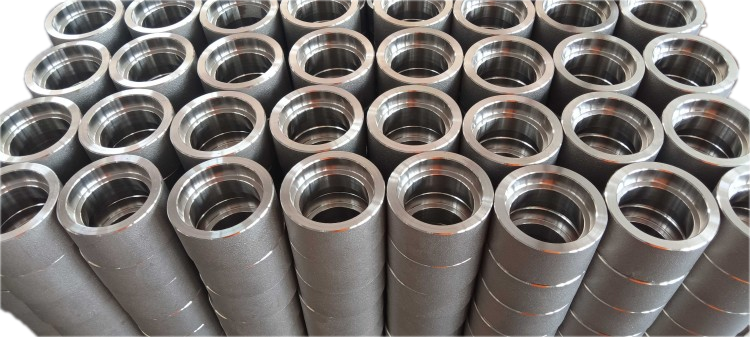
Alloy steel pipe fittings (ASTM A234 WP11/WP22) significantly improve heat resistance and creep resistance while maintaining good processability through the addition of chromium, molybdenum, and other alloying elements. These fittings typically require more complex heat treatment processes to ensure optimal performance of the alloying elements.
Diversified Connection Method Design
The design of connection methods for pipe fittings reflects flexibility in engineering applications. Butt-weld connections provide permanent high-strength joints, threaded connections facilitate easy installation and disassembly, flange connections suit areas requiring frequent maintenance, while socket weld connections offer unique advantages in space-constrained applications.
Each connection method has precise design specifications. The bevel angle and land dimensions of butt-weld fittings, thread accuracy of threaded fittings, and sealing face types of flanged connections must strictly comply with relevant standards to ensure joint reliability and sealing performance.
Detailed Precision Manufacturing Processes
The manufacturing process of pipe fittings demonstrates the precision and complexity of modern industrial production. The complete manufacturing流程 varies according to different types using differentiated process routes:
Forged pipe fittings obtain dense grain flow through forging processes, providing excellent mechanical properties. Cast fittings are suitable for mass production of complex shapes, ensuring quality through precise mold design and process control. Stamped fittings dominate thin-wall fitting manufacturing with their high efficiency and cost-effectiveness.
Machining is crucial for ensuring fitting precision. Whether precision turning of threads or fine machining of flange sealing faces, advanced CNC equipment and specialized process technology are required. Cutting parameters, tool selection, and cooling methods during machining directly affect the final product quality.
Strict Dimensional Accuracy Control
The dimensional accuracy of pipe fittings directly affects installation quality and service performance. According to standards like ASME B16.9, B16.11, and B16.5, key dimensional parameters of various fittings have clearly defined tolerance ranges.
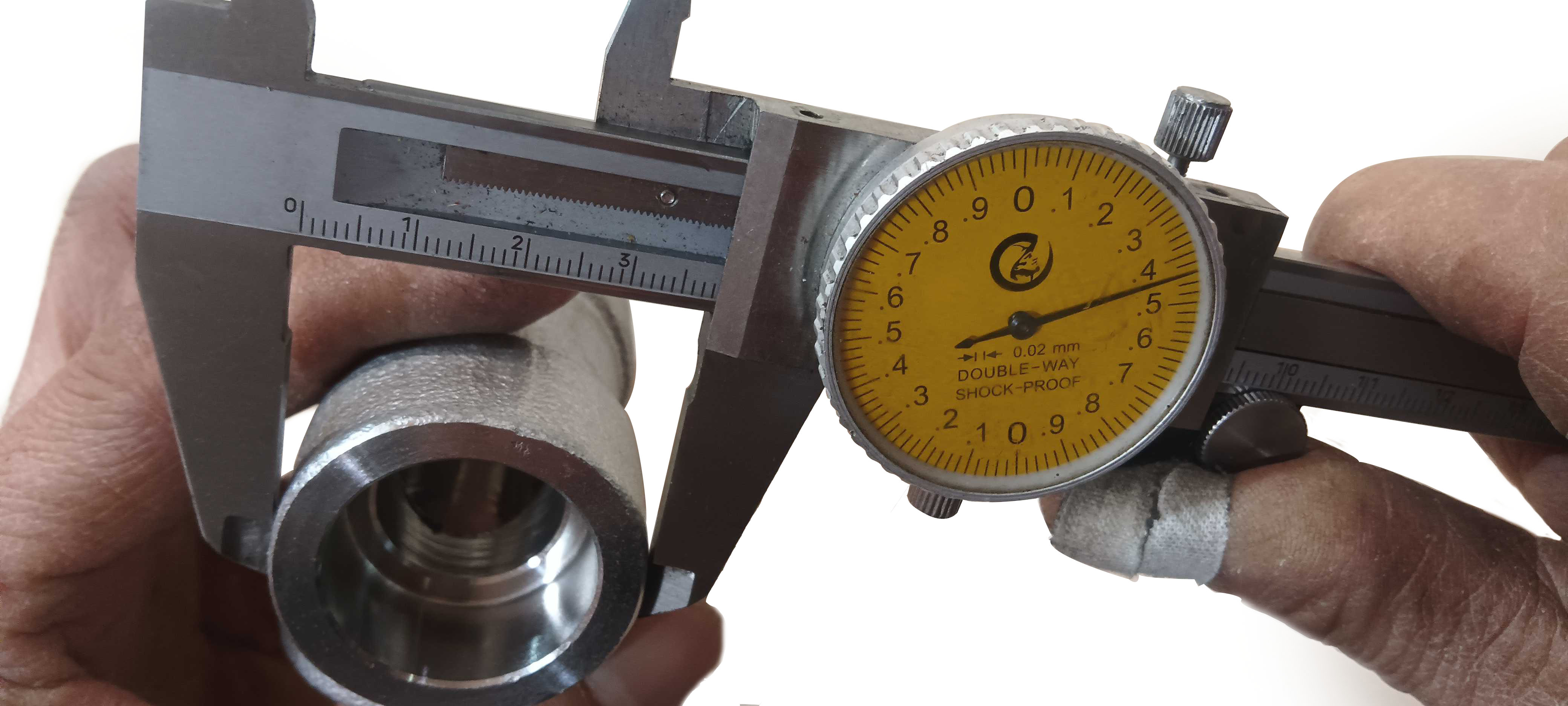
For flanged fittings, the accuracy of bolt hole center distances directly affects installation convenience, while the flatness of sealing faces determines connection sealing reliability. For threaded fittings, thread accuracy grades must meet relevant standard requirements to ensure proper engagement with other piping components.
Surface Treatment and Cleanliness
Depending on application fields, pipe fittings require different surface treatment processes. For general industrial applications, sandblasting or shot blasting is typically used to remove surface scale and achieve specific surface roughness, which aids subsequent anti-corrosion coating.
For special applications like food and pharmaceutical industries, higher-grade surface treatments are required. Electropolishing can give stainless steel fittings a mirror-like finish that not only looks good but more importantly prevents microbial growth and contaminant adhesion. Galvanizing provides effective corrosion protection for carbon steel fittings.
Standardization and Interchangeability
The standardization of pipe fittings forms the foundation for their global application. International and national standards like ASME, DIN, JIS, and GB specify dimensional series, tolerance ranges, and material requirements for various fittings. This standardization ensures good interchangeability between fittings from different manufacturers, providing great convenience for engineering design, procurement, and installation.
Specialized Technology in Application Fields
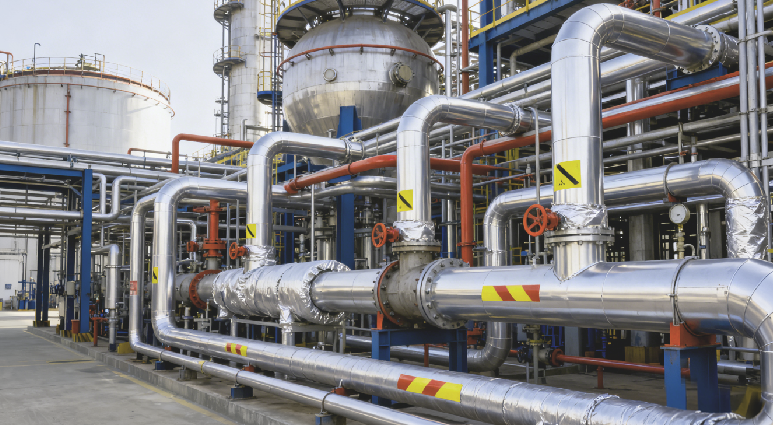
In different industrial sectors, pipe fittings must meet specific technical requirements:
In building water supply and drainage systems, fittings need good corrosion resistance and installation convenience. Threaded and flanged connections are widely used due to their demountable characteristics.
In petroleum and chemical industries, fittings require excellent corrosion resistance and stable mechanical properties. Particularly for fittings handling corrosive media, material selection and manufacturing processes require special consideration.
In pharmaceutical industry, besides material compliance, internal surface quality of fittings becomes a critical factor. Ensuring no dead zones, easy cleaning, and meeting strict sanitary standards are essential.
Technological Innovation and Development Trends
With industrial technology advancement, pipe fitting manufacturing technology continues to innovate. Digital manufacturing technology applications make production processes more precise and reliable. Computer simulation technology optimizes forming process parameters, improving material utilization and product quality.
New material development constantly expands application boundaries of pipe fittings. Application of high-performance stainless steel, duplex steel, nickel-based alloys, and other new materials enables fittings to serve in more demanding conditions. Emerging products like plastic fittings and composite material fittings further enrich the product range.
Quality Assurance System
A comprehensive quality assurance system forms the foundation for ensuring the performance of pipe fittings. From the initial stage of raw material receipt, through production process control, and all the way to the final product inspection, each stage must establish strict quality control points.
The quality documentation for raw materials must be complete and traceable, including chemical composition analysis reports and mechanical property test reports, among others. Critical process parameters during production require real-time monitoring and recording to ensure process stability. The inspection of the final product encompasses multiple aspects, including dimensional checks, surface quality assessment, and material identification verification.
As fundamental components of industrial piping systems, the importance of pipe fittings far exceeds their simple structural forms. From material selection to manufacturing processes, from connection design to surface treatment, each stage of production embodies profound engineering wisdom and technical accumulation. With the continuous advancement of industrial technology, pipe fitting manufacturing will also keep progressing, providing safer and more reliable connection solutions for various industrial facilities.
In modern industrial systems, these precision connectors are not just physical links but witnesses to industrial civilization development. With their stable performance and reliable quality, they silently support the normal operation of global industrial systems, demonstrating exquisite craftsmanship and technical capability in industrial manufacturing.
A Guide to Core Steel Pipe Product Classification and Value Positioning
How Sanitary Check Valves Create an Aseptic Barrier for the Food and Pharmaceutical Industries
Related Article


CONTACT US
Subscribe to our newsletter to receive the latest information